Garden Pest Control

Ruled out lawn pests? Here’s what could be causing those bald patches

Garden Pest Control

Ruled out lawn pests? Here’s what could be causing those bald patches

by Tessa Cobley on Oct 14 2026
If you have already taken a look at my advice on lawn pests here and ruled them out, we have more help at hand.  Lawn specialist Matt J Adams, founder and lead gardener at The Relentless Gardener, take us through what else it could be and what you can do. A lawn that’s looking thin, patchy or suddenly covered in bald spots can be frustrating -particularly when you’re not sure what’s gone wrong. If you’ve already ruled out pests such as leatherjackets and chafer grubs, there are plenty of other reasons why grass can start to struggle. Heat and drought, shade, compacted soil, heavy foot traffic, poor drainage and mowing too short can all cause lawns to become thin or develop bare patches. The good news is that once you understand what’s causing the problem, it’s often possible to help the grass recover without completely starting again. Before reaching for a treatment, it’s worth taking a closer look at the pattern of the damage and the condition of the grass. “If you’ve ruled out pests as the cause of lawn damage, look closely at what is happening rather than assuming the grass needs replacing,” says Matt. “The pattern of the damage, where it’s occurring and the condition of the soil can all give you useful clues about what your lawn needs.”  Here, Matt explains some of the most common reasons lawns develop bald or unhealthy- looking patches, how to identify the likely cause and what you can do to help your lawn recover.  Brown or straw-coloured grass? Think heat or drought After a prolonged period of hot, dry weather, grass can turn brown without actually being dead. Grass can go dormant during prolonged dry weather and recover when temperatures fall and moisture returns.  If your lawn has suffered during a hot summer, don’t immediately assume the grass needs replacing. Wait for cooler conditions and rainfall to see whether it starts producing fresh green growth. During hot weather, avoid cutting the lawn too short. Longer grass helps shade the soil, reducing moisture loss, while deeper roots can make the lawn more resilient during dry spells. If you do need to mow, raise the mower height and only remove around a third of the grass height. Bald patches in high-traffic areas? Check for compaction If the worst areas are around pathways, patios, play areas or anywhere people regularly walk, compacted soil could be contributing to the problem.  Walking on stressed or recovering grass can compact the soil, squeezing out the air pockets roots need for oxygen, water and nutrients. Compacted soil also makes it harder for new roots to grow. Once conditions are cooler and the lawn is actively growing, aeration can help improve the movement of air, water and nutrients into the soil. However, avoid aerating during a heatwave when grass is already under stress. Thin grass under trees or beside fences? It could be shade Grass needs light to grow, so areas underneath trees, beside fences, walls or other structures can naturally struggle. The answer isn’t necessarily more fertiliser. Choosing a grass seed mix suited to the conditions can make a significant difference.  “Lawns in sunny positions benefit from grass seed mixes containing more ryegrass,whereas shady lawns need more fescue seed,” says Matt.  For shady areas, The Relentless Gardener Premium Shade Grass Seed is designed for. lower-light conditions and can be used to repair thin areas. Patchy, mossy or constantly wet? Look at the soil If a lawn is persistently damp, mossy or slow to recover, the problem may lie beneath the grass.  Clay soils can hold water and create poor drainage, while compacted soil can make it harder for water and air to move through the root zone. A simple squeeze test can give you an indication of your soil type: sandy soil tends to flow through your hand, clay sticks together, while loam should feel light and easy to break apart.  The Relentless Gardener 70/30 Sand/Soil Top Dressing can help improve drainage and soil structure, while also improving seed-to-soil contact when overseeding. Lots of weeds? The grass may need strengthening Weeds are often more noticeable when a lawn becomes thin because they have more space to establish.  Rather than simply treating the weeds, look at why the grass has become weak. A dense, healthy lawn is better able to compete with weeds.  “The best way to prevent weeds taking over is to grow a strong, healthy lawn in the first place,” says Matt. “A good feeding programme, combined with improving the soil, will help create stronger grass that can compete with weeds.” How to repair a bald patch Once you’ve identified the likely cause, repairing a bald patch is usually straightforward.  “Start by raking out the dead grass and lightly disturbing the soil,” says Matt. “If the soil is particularly compacted, aerate the area before applying a light layer of topsoil. Then sow an appropriate grass seed, cover it with a little more topsoil and gently press or roll the area to improve seed-to-soil contact.”  Mow the surrounding grass to around 45mm or more, giving new seed plenty of light and space to establish. For shady areas, Premium Shade Grass Seed is designed for lower-light conditions, while a hard-wearing mix containing perennial ryegrass and fescues is better suited to lawns that experience regular foot traffic.  Once you’ve sown the seed, keep the area moist while the new grass establishes. Newly seeded areas need consistent moisture, so don’t allow the surface to dry out. Feed the lawn – not just the patch It can be tempting to sprinkle fertiliser directly onto a bald patch, but the better approach is to think about the lawn as a whole. “Once the new grass begins to establish, resist the temptation to feed just the patch,” says Matt. “Instead, feed the whole lawn when it’s next due, keeping everything on the same feeding programme for a healthier, more consistent lawn.” If you’re repairing a lawn in autumn, choose an autumn-specific feed rather than a high-nitrogen spring or summer fertiliser. The aim is to support healthy roots and winter resilience rather than encourage lots of soft, leafy growth. The Relentless Gardener Premium Autumn Lawn Feed is designed to support lawns through autumn and into winter. Don’t try to fix everything at once A lawn that looks tired after summer doesn’t necessarily need a complete renovation.  Start by working out what has changed.  Has it been particularly dry? Has the area had lots of foot traffic? Is the soil compacted? Does it receive enough sunlight? Is water sitting on the surface? Has the grass been cut too short? Or is the lawn simply thin and in need of new seed? “Autumn is one of the most important times of year for lawn care, particularly if your grass has had a difficult summer,” says Matt. “The good news is that you don’t necessarily need to completely renovate the lawn. In most cases, a little well-timed attention can make a significant difference.” The Relentless Gardeners’ lawn diagnosis checklist - Brown but not bald? Give it time to recover from heat and drought.- Bald from heavy use? Check for soil compaction and aerate when conditions are suitable.- Bald under trees or beside fences? Consider shade-tolerant grass seed.- Mossy or constantly wet? Investigate drainage and soil structure.- Lots of weeds? Focus on building a stronger, denser lawn.- Genuinely bare patches? Rake, prepare the soil, over seed and keep the area moist while new grass establishes. A healthier lawn isn’t necessarily about throwing more treatments at it. Quite often, the best place to start is by understanding what your grass is trying to tell you. For more information and advice about lawn care, visit www.relentlessgardener.co.uk.Matt J Adams is the founder and lead gardener at The Relentless Gardener, a specialist in grass seed, lawn feed and plant nutrition products, on a mission to make gardening and lawn care easy and convenient for everyone in the UK. Matt combines horticultural knowledge with hands-on experience to develop premium products tailored to the needs of UK gardens. Working alongside one of the UK's largest and most trusted lawn feed and fertilisermanufacturers, he has helped create scientifically developed formulations and pioneered an innovative lawn size calculator that enables customers to buy the exact amount of product they need. Matt regularly shares practical, evidence-based advice on lawn care, soil health and plant nutrition, and is a trusted media commentator on seasonal gardening topics, helping gardeners achieve healthier, greener gardens with less waste. https://www.relentlessgardener.co.uk/

What are those tiny red spiders covering your garden furniture?

Garden Pest Control

What are those tiny red spiders covering your garden furniture?

by Tessa Cobley on Jul 17 2026
One common summer sight is a tiny red creature scurrying across patios, garden furniture, plant pots and leaves. Often mistaken for a spider, these bright red bugs are known for leaving behind a distinctive red mark when squashed – but are they a friend or foe? If you spot tiny red dots moving quickly across your garden furniture, paving or plant pots, you’re most likely looking at clover mites.  Despite their spider-like appearance, clover mites are actually a type of mite, measuring around 1mm in size. They have a distinctive bright red or reddish-brown colour, an oval-shaped body and very long front legs, which can sometimes make them look like they have eight legs like a spider. Clover mites are one of the most commonly mistaken creatures in the garden.  Their bright red colour can make them look alarming, but in most cases they’re not something gardeners need to worry about. Do clover mites damage plants?The good news is that clover mites are not usually harmful to garden plants. They feed mainly on grasses, clover and other vegetation, but they rarely cause noticeable damage in a typical garden setting. They are often found in lawns, flower beds, around patios and on outdoor surfaces, especially in warm, dry weather when populations can increase. While heavy infestations can sometimes cause minor cosmetic damage, such as silvery patches on grass or occasional leaf marking, they are generally considered more of a nuisance than  plant pest. If you see them outside, the best approach is usually to leave them alone and allow natural predators to keep populations balanced. Red spider mites: the plant pest to look out for Although they are often confused with clover mites, red spider mites are a different species and can be a much bigger concern for gardeners. Red spider mites are tiny sap- sucking pests that feed on plant cells. They are difficult to see with the naked eye, but they can cause significant damage when populations build up. Red spider mites are often mistaken for clover mites because of their red colouring, but they behave very differently, they are a genuine plant pest and can weaken plants by feeding on their leaves. What do red spider mites look like?Red spider mites are extremely small, usually less than 1mm in size, and can vary from red and orange to yellow or green depending on the species and life stage. Unlike clover mites, they are usually found on the underside of leaves, where they feed and reproduce. If you look closely, you may spot:- Tiny moving dots across leaves- Fine webbing between leaves and stems- Speckled or mottled leaves- Yellowing, bronzing or dried patches on foliage- Reduced plant growth or weakened plantsThey thrive in hot, dry conditions, meaning summer heatwaves can often lead tooutbreaks. How to control red spider mites naturallyWhen dealing with red spider mites, early action is key. Spray the plants with cold water.  Introduce some live predators.  Predatory mites are tiny beneficial organisms that actively hunt spider mites, targeting both adults and younger stages. Shop Spider Mite Controls  
Seedlings Grow Lights: Catching Up on Late Sowing

Garden Pest Control

Seedlings Grow Lights: Catching Up on Late Sowing

by Tessa Cobley on Feb 14 2025
Even if you’re starting later than planned, the right lighting setup can make all the difference. With a grow light, you can still grow strong, healthy plants and enjoy a productive season ahead.
Get started with slug treatment and stop a slug population explosion!

Garden Pest Control

Get started with slug treatment and stop a slug population explosion!

by Tessa Cobley on Jan 25 2025
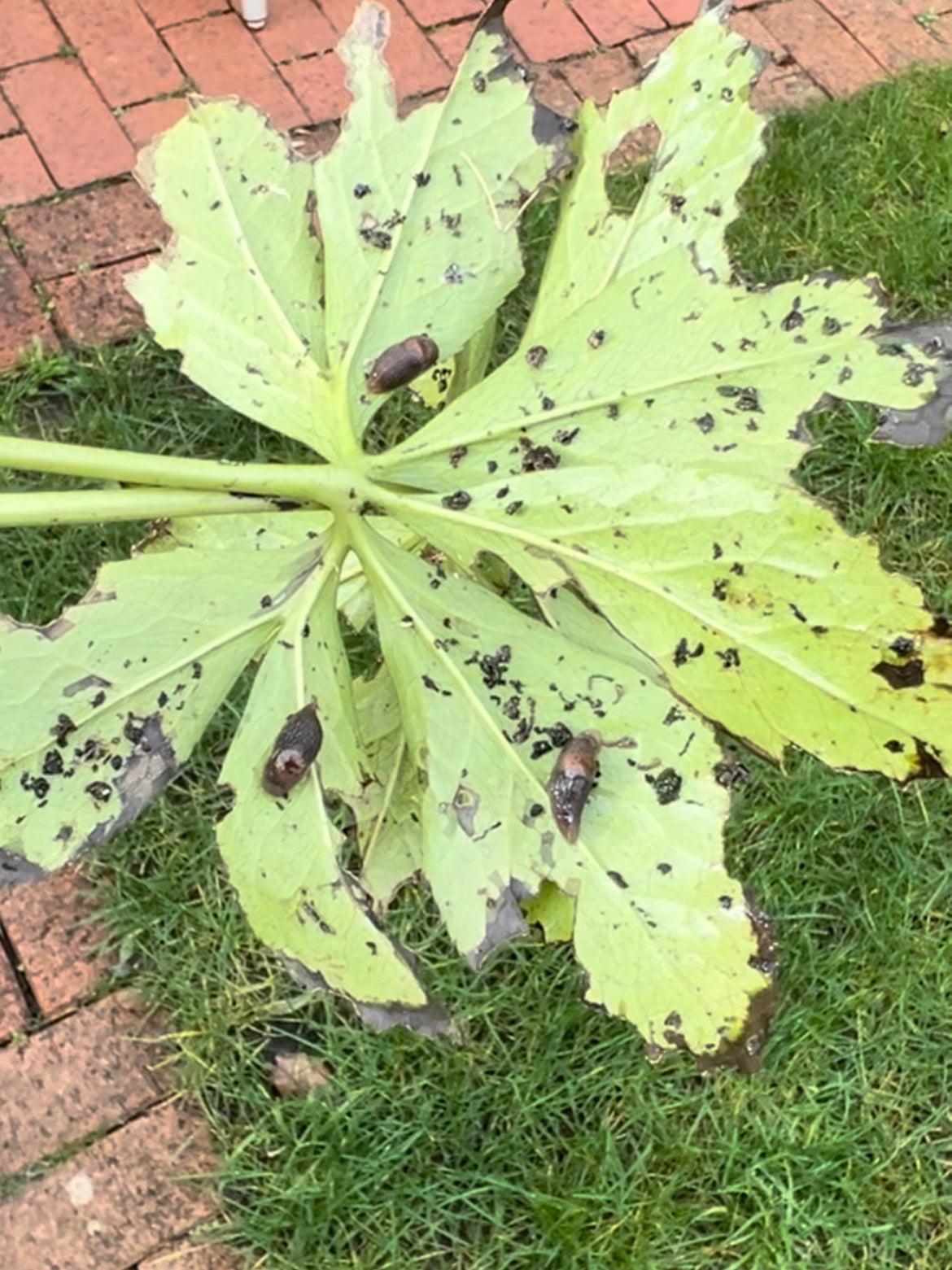
Here’s why starting nematode treatments now can be highly effective and why these pre-season applications are among the most important. Understanding the Lifecycle of Slugs and Nematodes Slugs are notorious for their ability to thrive in moist, cool conditions. Slug eggs laid in our mild winter will be hatching now, beginning their march to grow in numbers.  Let's stop them becoming a significant problem come the spring. Nematodes, specifically like those contained in Nemaslug and Slugtech, are microscopic, parasitic worms that target and kill slugs. They are applied to the soil where they seek out slugs and enter their bodies, releasing bacteria that ultimately kill the host within a few days. The nematodes then reproduce inside the dead slug, continuing the cycle and providing ongoing pest control.   You can use nematodes when soil is above 5°C for most of the day, you can find your soil temperature forecast here. Buy nematodes now. Why early treatments are critical Targeting Juvenile Slugs: Juvenile slugs are more susceptible to nematode infection than their adult counterparts. By applying nematodes early, you can significantly reduce the number of young slugs that survive into adulthood and reproduce. This proactive approach helps break the lifecycle of slugs, leading to fewer slugs. Ideal Environmental Conditions: Nematodes thrive in moist conditions that are often met in late summer (or a wet summer) and early autumn. Applying nematodes during this period ensures they remain active and effective, as they require moisture to move through the soil and find their slug hosts. Sustainable and Eco-friendly Solution: Using nematodes is an environmentally friendly method of pest control that avoids the use of chemical pesticides, which can harm beneficial insects and soil health. Nematodes specifically target slugs, making them a safe option for organic gardeners and those looking to maintain a balanced ecosystem in their gardens.  It also means they are 100% safe around pets and children who can play on and around treated areas immediately.  How to Apply Nematodes Effectively Timing: Apply nematodes in the early morning or late evening to avoid the heat of the day, which can dry out the soil and reduce nematode efficacy. Ensure the soil is moist before application and water the area thoroughly afterward to help the nematodes move through the soil. Maintenance: Maintain moist soil conditions for at least two weeks after application to ensure nematodes remain active and effective. Reapply every 6 weeks.  So, don’t wait —take action now and give your garden the best chance to thrive slug-free. Shop slug nematodes
Using our plastic free insect netting to both prevent pests and keep the good bugs in place

Garden Pest Control

Using our plastic free insect netting to both prevent pests and keep the good bugs in place

by Tessa Cobley on Jan 23 2025
Insect netting is a great tool if you want to protect against pests like cabbage white butterflies, carrot flies, and aphids.  These guys spread in numbers quickly and pose a persistent challenge, insect netting can make all the difference. Here's a bit more about how and when to use insect netting effectively. Jump straight to the product Benefits of Insect Netting Pest Prevention: keeping out common pests, including caterpillars, aphids, and beetles like the dreaded lilly beetle. Encouraging Beneficial Insects: If you have bought some of my good bugs to help you with a pest problem, netting can keep them in place.  Many a customer has come to me upset because the ladybirds they released have ended up in their neighbour's garden.  Netting can help you to concentrate the predators where they are needed.  Protecting Pollinators: Don't cover all the good stuff up, use insect netting selectively to ensure that while pests are kept out, pollinators can still access flowering plants when needed. Weather Shield: Netting also provides a degree of protection from heavy rain, hail, and strong winds and light frosts. When to Deploy Insect Netting Timing is crucial to maximise the effectiveness of insect netting. Here are key tips for UK gardeners: Early Spring: As temperatures rise, pests become active. Deploy netting over vulnerable crops like brassicas, carrots, lettuce and more, as soon as you sow seeds or transplant seedlings. Throughout the Growing Season: Keep the netting in place during the peak pest activity months (April to September). Be vigilant about inspecting for any pests that may have slipped through gaps. Pollination Windows: For crops that require pollination (e.g., courgettes or strawberries), remove the netting temporarily during flowering. This allows pollinators access to the plants. How to Use Insect Netting Secure Edges: Ensure the edges of the netting are tightly secured to the ground using pegs, weights, or buried edges to prevent pests from crawling underneath. Support Structures: Use hoops or frames to keep the netting elevated and prevent it from resting on the plants. This reduces the risk of pests laying eggs through the mesh, sneaky beasts! Regular Inspections: Check regularly for tears, holes, or insects trapped inside the netting. Repair any damage promptly to maintain effectiveness. When to Remove Insect Netting End of Pest Season: In late autumn, when pest activity decreases, you can safely remove the netting. For most UK gardens, this is around October or November. Crop Harvest: Remove netting as you harvest crops to allow easier access and airflow. End-of-Season Cleanup: Clean and dry the netting before storing it for the winter. This prevents mould and extends its lifespan. Balancing Pest Control and Biodiversity While insect netting is highly effective, it’s essential to balance its use with maintaining biodiversity. Allowing some areas of your garden to remain uncovered can provide habitats for pollinators and other beneficial wildlife. Rotate netted and uncovered zones to create a thriving and balanced ecosystem. Buy Plastic Free Insect Netting Here
Why It’s Not Too Late to Start Using Nematodes for Reducing Slug Numbers

Garden Pest Control

Why It’s Not Too Late to Start Using Nematodes for Reducing Slug Numbers

by Tessa Cobley on Sep 11 2024
As summer begins to wane (did it ever show up in the first place?) and the first hints of autumn start to appear, many gardeners might think it's too late in the season to be using products to reduce pest populations. However, when it comes to using nematodes to reduce slug populations, the end of summer is actually a crucial time to act. Here’s why starting nematode treatments now can be highly effective and why these late season applications are among the most important. Understanding the Lifecycle of Slugs and Nematodes Slugs are notorious for their ability to thrive in moist, cool conditions, making late summer (or a cool summer) and early autumn an ideal time for their proliferation. Slug eggs laid in late summer will hatch in the early autumn, leading to an increase in juvenile slugs that can either overwinter, or lay eggs that will overwinter, and become a significant problem in the following spring. Nematodes are microscopic, parasitic worms that target and kill slugs. They are applied to the soil where they seek out slugs and enter their bodies, releasing bacteria that ultimately kill the host within a few days. The nematodes then reproduce inside the dead slug, continuing the cycle and providing ongoing pest control. Buy nematodes now. Why Late Summer Treatments Are Critical Targeting Juvenile Slugs: Juvenile slugs are more susceptible to nematode infection than their adult counterparts. By applying nematodes at the end of summer, you can significantly reduce the number of young slugs that survive into adulthood and reproduce. This proactive approach helps break the lifecycle of slugs, leading to fewer slugs in the next season. Ideal Environmental Conditions: Nematodes thrive in moist, warm soils, conditions that are often met in late summer (or a wet summer) and early autumn. Applying nematodes during this period ensures they remain active and effective, as they require moisture to move through the soil and find their slug hosts. Reducing Overwintering Populations: Slugs that survive into late autumn will lay eggs that overwinter and hatch in the spring. By reducing the slug population now, you decrease the number of eggs laid, effectively reducing next year’s slug problem before it starts. Sustainable and Eco-friendly Solution: Using nematodes is an environmentally friendly method of pest control that avoids the use of chemical pesticides, which can harm beneficial insects and soil health. Nematodes specifically target slugs, making them a safe option for organic gardeners and those looking to maintain a balanced ecosystem in their gardens.  It also means they are 100% safe around pets and children who can play on and around treated areas immediately.  How to Apply Nematodes Effectively Timing: Apply nematodes in the early morning or late evening to avoid the heat of the day, which can dry out the soil and reduce nematode efficacy. Ensure the soil is moist before application and water the area thoroughly afterward to help the nematodes move through the soil. Maintenance: Maintain moist soil conditions for at least two weeks after application to ensure nematodes remain active and effective. Reapply every 6 weeks.  Conclusion Starting nematode treatments at the end of summer is not only timely but also crucial for reducing slug populations effectively. By targeting juvenile slugs and preventing overwintering, late-season nematode applications can significantly impact the slug population in your garden, leading to healthier plants and a more enjoyable gardening experience. So, don’t wait until next spring, take action now and give your garden the best chance to thrive slug free. Shop slug nematodes
Get rid of fungus gnats quickly and cheaply

Garden Pest Control

Get rid of fungus gnats quickly and cheaply

by Tessa Cobley on Apr 03 2023
How do you know if you have fungus gnats? Your plant or seedlings may tell you, you may see stunted growth yellowing leaves or the roots may look damaged (if you can see them).  These are all signs of fungus gnat larvae being in the soil.  Most commonly though people tend to notice the adult flies.  Lots of people put the influx of flies down to fruit flies until they notice them congregating around their plants and seed trays. What do fungus gnats look like? They do look very similar to fruit flies but their wings have a creamy translucent look and their bodies are thinner, below are a few images of the adult fungus gnat but remember fungus gnats are very small.  Fungus gnats do not tend to fly around, they will only hang around the plants.   Fungus gnat larvae live in the soil and eat the root material.  They look like thin white maggots.  Fungus gnat flies lay eggs which hatch into larvae, see images below.   How to get rid of fungus gnats. We recommend a combination of 2 products; nematodes and sticky traps.  The traps that we recommend are yellow sticky traps, the adult fungus gnats are attracted to the colour and get stuck. The nematodes come in a mixed species pack to ensure maximum effect.  They are watered on.  The nematodes are a parasite of the fungus gnat larvae and tend to kill them within 7-10 days. Why nematodes and traps work for getting rid of fungus gnats The approach has to be two pronged for it to work, you need to attack both the adult flies and the larvae to be able to break the lifecycle.  You need traps for the adults (so they stop laying eggs) and parasitic nematodes for the larvae (to stop them becoming adults).  If you do one without the other you will not break the lifecycle and control the fungus gnat infestation. And you can get both for £15! Fungus Gnats – Frequently asked questions Will I need a second treatment? It depends on 2 things, how bad the infestation is/was and what stage in the lifecycle the majority of the fungus gnat population is/was.  This solution relies on controlling the adults and the larvae, if there were very large numbers of either one then a second go might be needed.  Another reason would be lots of fungus gnat eggs, there isn’t a control for the eggs so you may need to treat again 2 weeks later to control these hatched eggs. Why mixed species nematodes? This product contains a blend of different species of nematode, this is perfect for controlling these fly larvae. What if I only have a couple of affected plants? You can still use the solution above, just make the nematodes more concentrate and split it amongst your plants.   Want to get on and get rid of fungus gnats really really effectively?  For £15 (including First Class delivery) you can!     Get both products now
Autumn jobs for less pests

Garden Pest Control

Autumn jobs for less pests

by Tessa Cobley on Sep 28 2022
All of the pests that we encounter in the UK are native to Northern Europe and can survive our winters.  They have a winter state, often eggs, that then hatch out in the spring. So reducing the number of pests right now is super important, even if there aren't any plants that need saving. Plants still suffering from pests If you have plants that are still suffering from either aphids (greenfly/blackfly), spider mite, thrips among others you should be doing your best to reduce the pest numbers right down.  A great product for this is lacewing larvae as they will prey on a number of pests.   Pots & canes Instead of stacking the used pots and canes in a corner, give them a wash in soapy water and wrap them up ready for use.  They both provide great places for pests such as aphids to lay eggs.   Sweeping & tidying Clear dead plants from beds & sweep up fallen leaves.  If you don't have a compost area try and make space away from your beds to keep the leaves etc.  It's great to make homes for insects over the winter...just not where you plant to grow things in the future.   Greenhouses & cold frames Before you fill the greenhouse, polytunnel or cold frame with plants from the garden (or new seedlings) have a really good clean.  Not only will you get rid of some pests, cleaning the glass/plastic will allow more light in which is great for the plants.  Clean existing plants, benches and down all the cracks, horticultural soap is great for this.  If you have had a spider mite problem over the warmer months put some slow release sachets up now, they are active right down to 6°C. Soil based pests The likes of slugs, vine weevil and root pests will have been laying eggs for a few months now.  Slugs will be hatching out while the soil is still warm and vine weevil grubs will have started to feed.  Clean the soil out with beneficial nematodes to break the life cycle. Shop the clean up range
What plants do vine weevil eat?

Garden Pest Control

What plants do vine weevil eat?

by Tessa Cobley on Aug 11 2022
Vine Weevil can be a very destructive pest, the adults eat away at plant leaves and their young can eat whole root systems but what are the plants that they tend to go for? Are vine weevil a pot plant pest? Vine weevil can often be though of as a container pest as they seem to prefer plants in pots and containers.  Indeed you can often find them between a pot and container or under containers during the day (they are nocturnal). What plants do vine weevil prefer? Strawberries and Primulas along with begonia, heucheras and primula are firm favourites along with rhododendron, cyclamen and hydrangeas. They really aren't fussy but do prefer plants that have succulent leaves and stems. Do vine weevil eat houseplants? Yes, if they find their way indoors then they will eat houseplants. Plants that Vine Weevil dislike Vine weevil tend to avoid plants with furry leaves and those that are fragrant like mint, lavender etc. More about vine weevil and how to control them here Vine weevil products here Offers on vine weevil treatments here
Do ants eat aphids?

Garden Pest Control

Do ants eat aphids?

by Tessa Cobley on Jul 19 2022
Ants all over your plants? You may think they are there to eat the invasion of aphids (greenfly or blackfly) you have had but they are actually attracted by the honeydew the aphids produce when feeding.  Ants don't eat aphids. Ants protect aphids Ants (quite brutally) ward off natural predators of aphids.  If an aphid eater like a ladybird or lacewing tries to eat the aphids then the ants will mobiles to remove them.  Ants will lift off or crush the aphid predators before they have a chance to feed on the aphids so that the ants do not loose their food source. How to get rid of aphids when ants are present Ideally you would control the ants first.  We sell a type of nematode that you treat ant nests with.  It doesn't kill the ants but it moves they away from that nest.  You can also remove the ants physically with a blast of the hose.  Blasting the hose will remove some of the aphids too. Using a product like horticultural soap to reduce the aphid population will cause the ants to leave the plants too, as their food source (the honeydew) will no long be being produced. Aphid Predators that fair well against ants The wasps and midge that we sell for aphid control work well when you have lots of ants.  This is because they act quickly and to not spend lots of time on the plants.  More on all the aphid predators and controls here.  
Lots of good bugs to help you with an aphid invasion

Garden Pest Control

Lots of good bugs to help you with an aphid invasion

by Tessa Cobley on May 05 2022
Aphids are an incredibly fast spreading and damaging pest Aphids breed very very fast, aphids are born pregnant and can then produce up to 4 young per day.  They are sap suckers that feed on plant material and cause other problems like sooty mould and diseases. Your first line of defence It is a very good idea to have a bottle of Horticultural Soap in your cupboard.  As soon as you see aphids advancing give them a really good douse, keep this up daily while you decide which biologicals to use. Aphid predators Predators are beasts that eat aphids, the ones we supply are ladybirds (adults and larvae), lacewing larvae and aphid midge.  Which you choose can really come down to personal preference and budge, they will all do the job.  See the individual products for the temperature ranges that the predators prefer. Aphid parasites Parasitic wasps use aphids to reproduce, they lay an egg inside the aphid turning into a nursery for their young.  There are 2 main types of wasp; Colemani which prey on elliptical bodies aphids and Ervi that go for round bodied.  If you are not sure which you have you may be able to tell by the host plant or we sell a product with a mix of the two. If you still can't decide what to do just email plantcare@ladybirdplantcare.co.uk. Find out more about the different biological controls for aphids here
Why you should worry about vine weevil

Garden Pest Control

Why you should worry about vine weevil

by Tessa Cobley on Mar 22 2022
Vine weevil grubs do some serious damage below ground The larvae are grubs which feast on plant roots, often completely severing them from the upper stems. You may not notice you have vine weevil until the plant keels over.They have a soft creamy-white body, up to 1.5 cm long and brown heads. They often lie in a sort of "C" shape.  The damage caused by the adults is unsightly, but the grubs can cause the plant to die. When to treat vine weevil If you get the larvae under control early in the season then the adults shouldn't bother you too much (and won't lay so many eggs).  You can use nematodes that target vine weevil grubs from when the soil reaches 5°C.  A treatment early and late in the season is essential but it is advisable to treat around every 6 weeks. Customers LOVE Vine Weevil Nematodes"Always just right - Another 99% free year from those little horrors!""Ordered nematodes at the first sign of vine weevil and was pleased to receive them promptly as always. We've come to rely on this really effective treatment.""I have used Vine Weevil nematodes for several years to significantly reduce a large scale infestation." Save on vine weevil controls