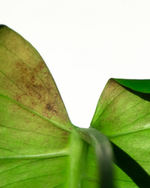

Thrips First Aid Bundle
£16.00
Unit price perThrips are one of the most frustrating pests to deal with on houseplants. These tiny insects can cause considerable damage, spreading quickly from plant to plant and often going unnoticed until leaves become silvered, distorted or covered in unsightly marks.
If you've been battling a persistent thrips infestation, repeatedly spraying your plants most likely isn't working. Fortunately, biological pest control offers another approach: using beneficial predatory insects and mites to tackle thrips properly.
To get them under control you need a combination of thorough plant cleaning, ongoing biological protection and blue sticky traps to monitor pest activity.
To really clean up the problem, aingle release of Cucumeris or Orius is recommended, you can find there here.
Step 1: Give your plants a thorough clean
Before introducing beneficial insects, it's important to get your plants as clean as possible.
Thrips can hide in all sorts of places, including:
-
The undersides of leaves.
-
New growth and tightly folded leaves.
-
Leaf joints and stems.
-
Flowers and flower buds.
-
Cracks and crevices around the plant.
Product 1 - Soap
Step 2: Add slow-release sachets for ongoing protection
Once you've done your clean up and maybe made your initial release of beneficial predators, I recommend adding slow-release Amblyseius cucumeris sachets.
Each sachet contains a breeding population of beneficial mites and a food source. The predators emerge gradually over 4-6 weeks.
Product 2 - Sachets
Step 3: Use blue sticky traps to monitor adult thrips
Blue sticky traps are another important part of this approach. Thrips are attracted to blue, and sticky traps provide a useful way to monitor and catch adult thrips.
Product 3 - Blue Sticky Traps