Products
Sort by:
59 products
59 products
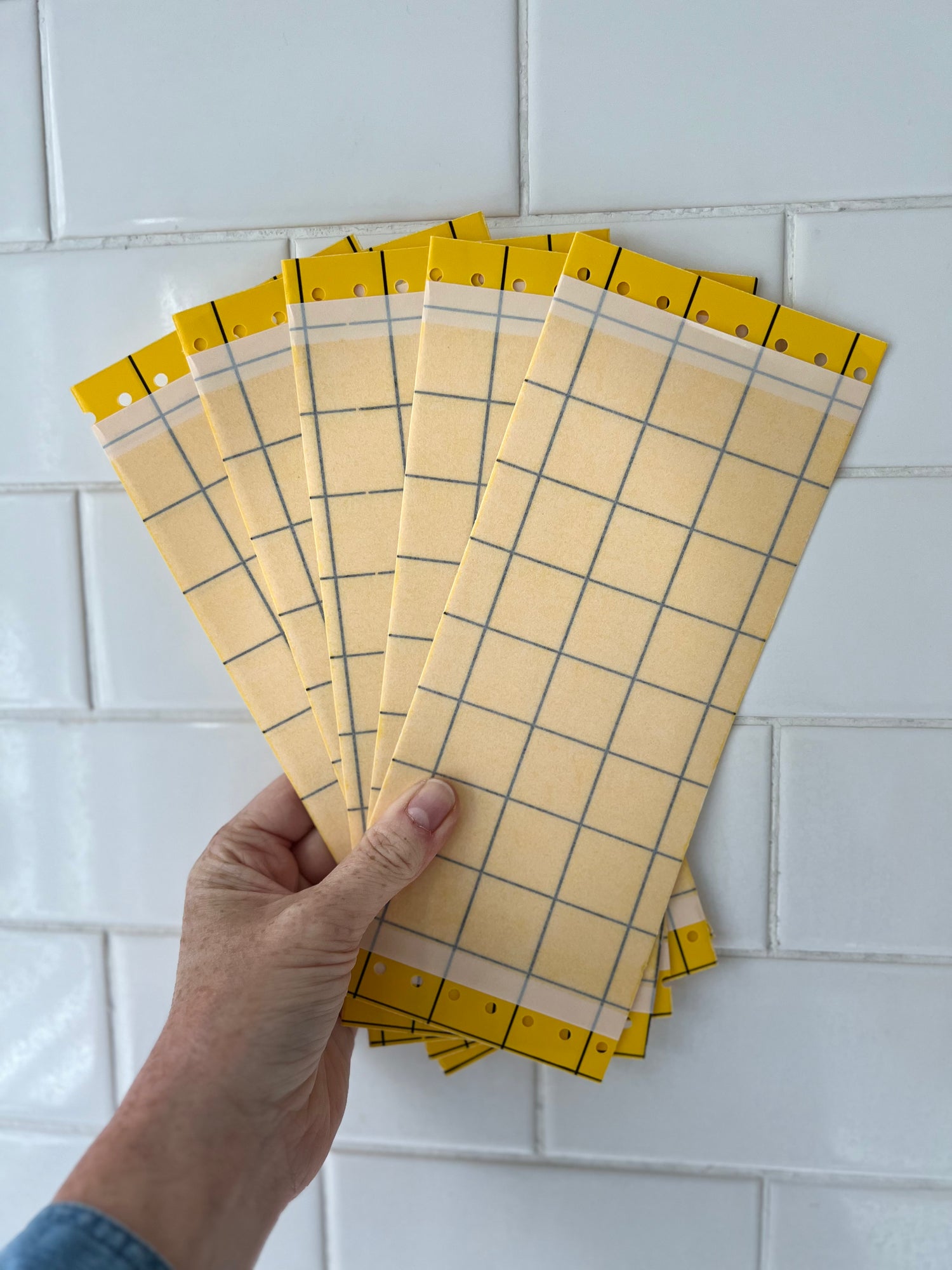
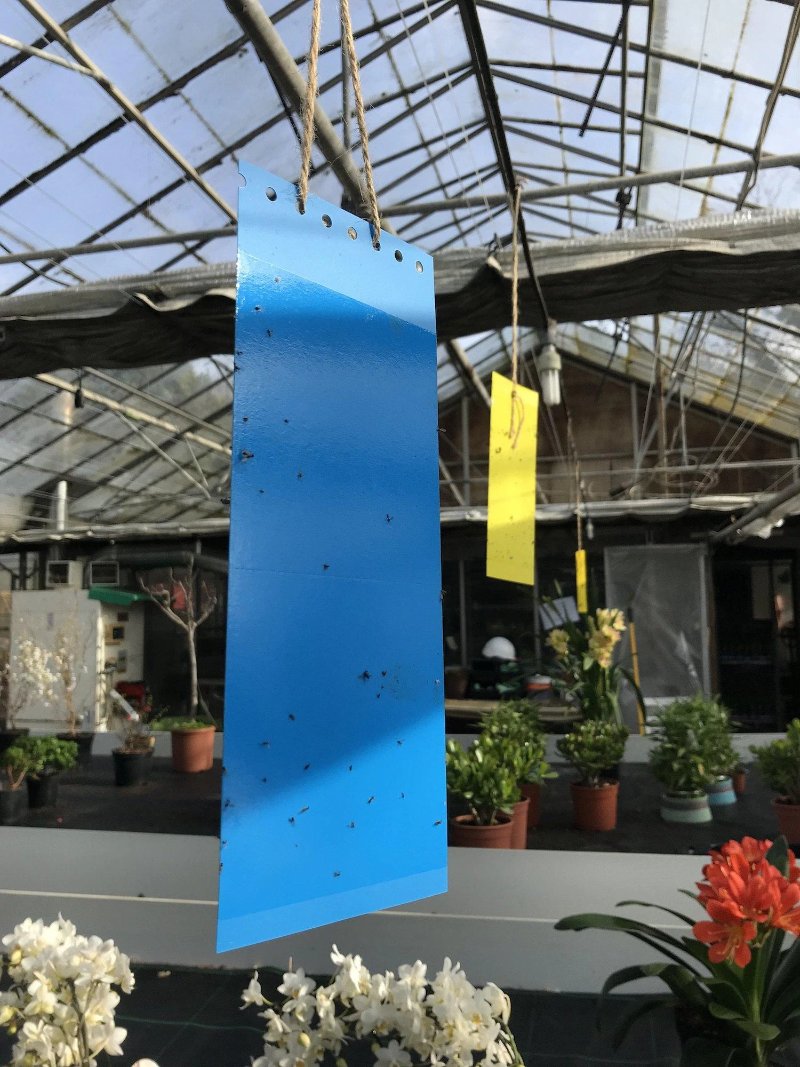

Traps are a great way to find out what pests are present on your plants and can trap a good quantity of flying and crawling pests.
Sold in packs of 5.
Sticky traps are a great way of monitoring and reducing pest numbers.
Yellow catch aphids, whitefly, leafminers, fungus gnats and more. The yellow trap are eco friendly card traps.
Blue traps are great for thrips.
Red traps for monitoring and controlling leafhoppers.


The book your houseplants want you to read.Written by The Plant Rescuer, Sarah Gerrard-Jones.
This book is a clear and practical guide for all aspects of house plants. From how to care for them to choosing the right plant for your space. It easy to follow guides will help you identify changes in your plant's appearance and how to save them. Learn how to help your plants not only survive but thrive. Sarah, also known as @theplantrescuer, is a self-taught houseplant obsessive who firmly believes every plant deserves a happy life. Her determination to see beyond the 'perfect plant' and to rescue unloved plants makes her the go-to guide.


Struggle with watering your plants? This soil checker gives you clarity. Simply poke it into your pot to retrieve a small soil sample at different depths. Moist soil means wait longer to water; dry soil means it’s time to give your plant a drink. -Easy to Use: Takes the guesswork out of watering. Check soil moisture before reaching for the watering can. -Made of Wood: A sustainable option, lightweight and durable with a varnished finish for easy cleaning. -Prevent Root Rot: Keep your nails clean and manage your watering schedule better. No more unnoticed water layers at the bottom of your pot. How to Use: Gently push the soil checker to the bottom of your pot, turn it a quarter turn, and pull it out. Check the trapped soil for moisture. Each test also aerates the soil, creating beneficial air pockets. If the soil is compacted, soak it thoroughly before using the probe. Hand-milled from wood: Varnished for durability.
Total Size: 31 cm / 12" long, handle 5 cm / 2" wide.


Vine Weevil nematodes are watered into pots or open ground with a watering can or hose, killing the vine weevil grubs.
Use as soon as the soil temperature reaches 5°C. The parasitic nematodes enter the grub, poisoning it and then feeding off it to increase their numbers.
Sold in 2 sizes.
Biological controls are not always kept in stock, they are ordered in fresh. This can sometimes lead to a time lag between when you place the order and when it is despatched. Order by 10am Monday for same week despatch.

NB This predator is only active at temperatures in excess of 18-20°C
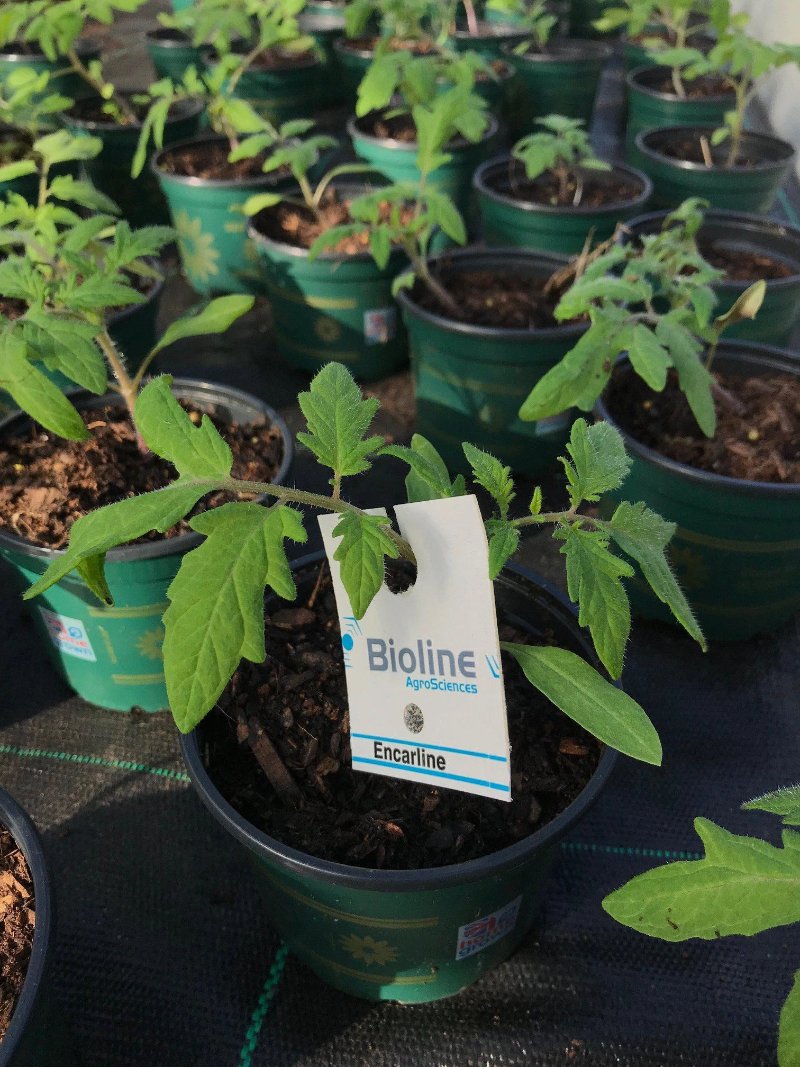
The most effective treatment for whitefly is the parasite "Encarsia". It is supplied on small cards which can be hung up around your plants. You can read the instructions for this product HERE.
Biological controls are not always kept in stock, they are ordered in fresh. This can sometimes lead to a time lag between when you place the order and when it is despatched. Order by 10am Monday for same week despatch.
Glasshouse whitefly are small white flying insects which lay eggs on the undersides of leaves. Whiteflies suck sap from their host plant and drop sticky secretions onto leaves below. Left uncontrolled they will overwhelm the plant, weakening it and flying around in huge numbers. Undersides of leaves become populated with Whiteflies adults and white eggs (scales).
Whitefly are fairly inactive in cool temperatures over Winter, but multiply very quickly in warm Spring and Summer weather. They fly about at the slightest disturbance, like tiny moths, and may even create ghostly white clouds in the air.
Instructions for use
Encarsia works best with temperatures above 21°C but prefer cool glasshouse conditions below 25°C with 12hr+ daylight hours. Generally, this means introducing Encarsia from mid March to August, although it can be earlier or later with extra heat and light.
Hang cards on lower branches so that they may be in a slightly shady position.
5 cards should give good control for an average conservatory or small greenhouse. If you have a longstanding battle with whitefly follow up the initial treatment with a second introduction one weeks later. If you have a low lever of whitefly or are using Encarsia as a preventative method then application can be every 2 weeks.
Identifying Whitefly
Remember whiteflies are nearly always moving. If you see white threads static on tops of the leaves, they are not whitefly but something else - very likely to be shed aphid skins dropped down from developing Aphid under leaves above. Or they could be thrips larvae. They are not "whitefly" unless body and wings are a ghostly white.
The glasshouse whitefly (Trialeurodes vaporariorum)is the most common. You can recognise them by their heart-shape profile when looked from above. Tobacco whitefly (Bemisia tabaci) have parallel wings which are longer, and when folded you can still see a strip of their back between the wings. There are up to 50 different species of whitefly in Europe, but from a gardeners point of view they are all plant pests.
Although Encarsia is very effective for the common glasshouse whitefly, it doesn't work so well for tobacco whitefly. It's therefore worth trying to identify what whitefly you have before treating. If you need any help identifying the whitefly you have then please don't hesitate to contact us.
Related blog posts