SLOW RELEASE SACHETS
Sort by:
4 products
4 products
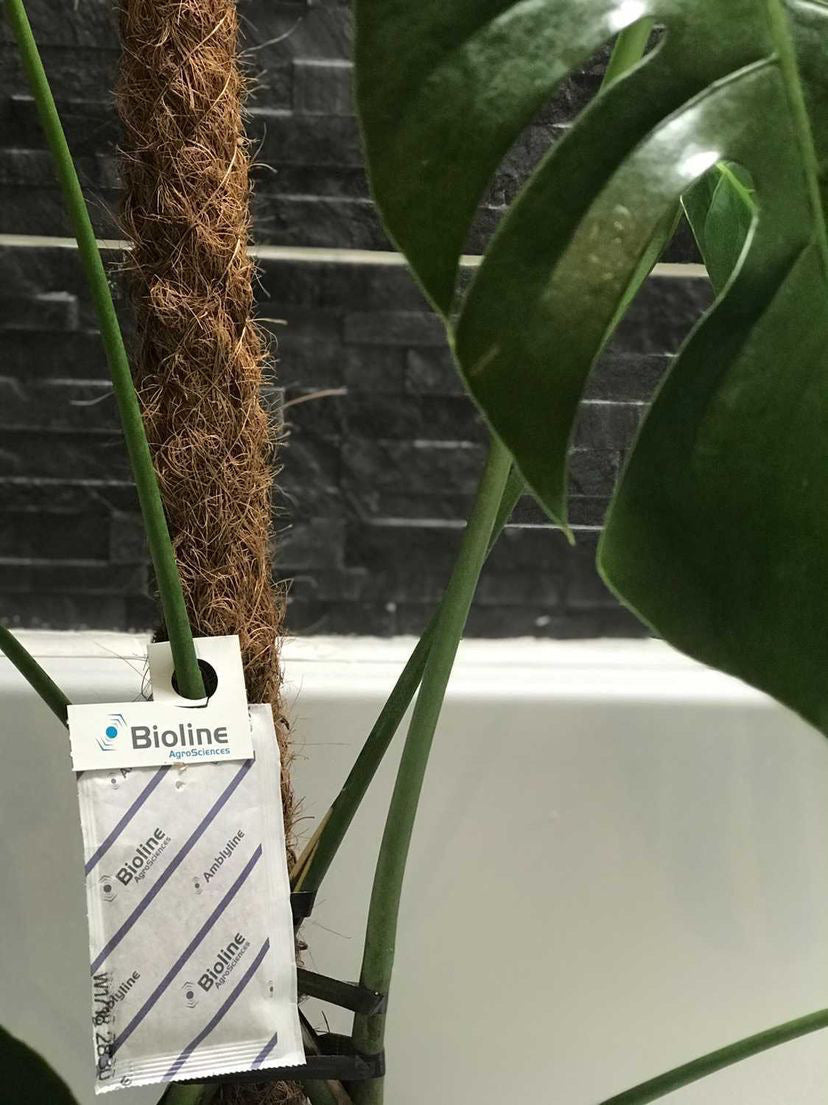
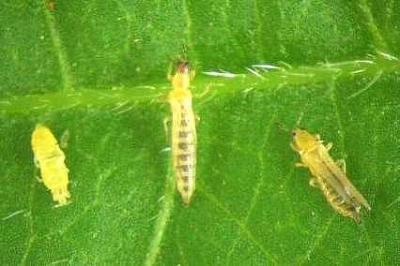
Thrips Prevention - Thrips are very difficult to reach with chemical sprays but Amblyseius predator mites are small enough to find and eat them, release early as they control the first stages of the Thrips lifecycle.
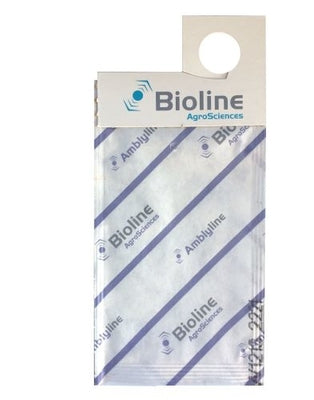
These sachets contain a breeding colony of mites that crawl out slowly over a 4-6 week period and attack the larvae and pupae stages of Thrips. You can read the instructions for use HERE.
Inside the sachets can be used all year round and pose no risk to pets or humans.
Outside, for best results, introduce the Amblyseius in mid-May for frost-free glasshouses, or earlier where temperatures are constantly warm. Amblyseius will survive on pollen from flowers until the young thrips start to appear and provide them with a preferred diet, thus preventing an infestation from taking hold.
This product should be used in prevention of an outbreak so either around the time that you normally see Thrips or at the very first sign that they are present. If you already have a Thrips problem then please check out our other products for Thrips as you will need something that also controls the adult stage.
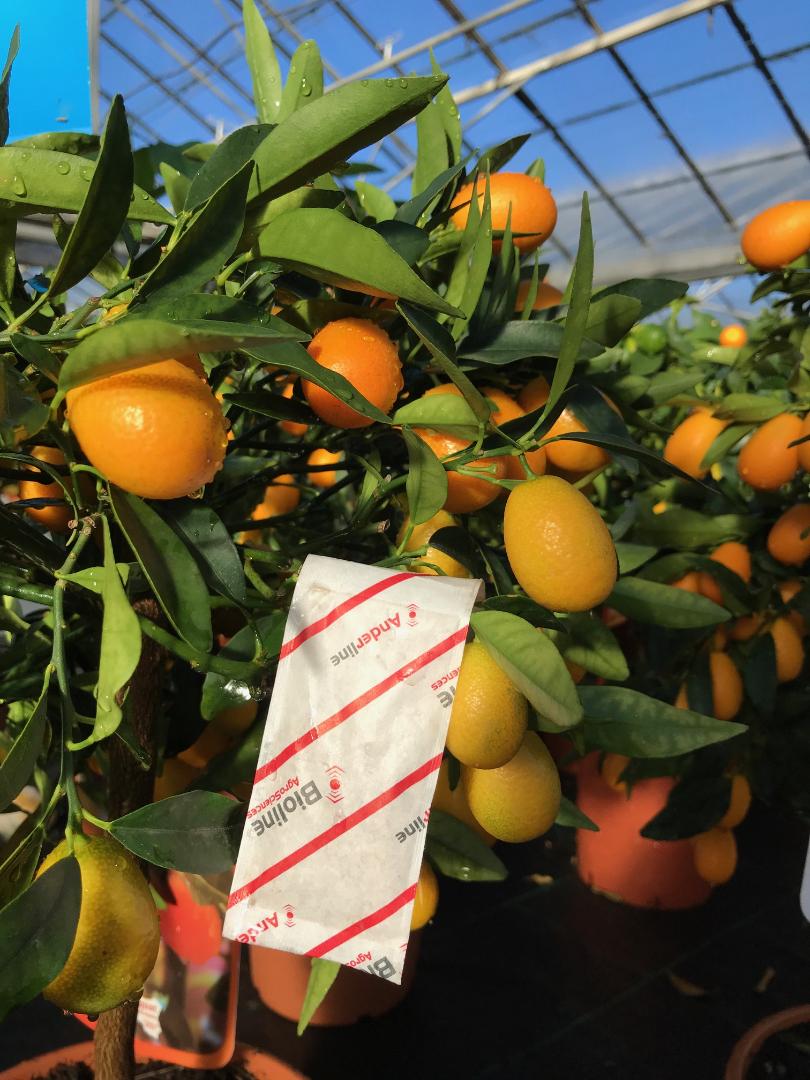

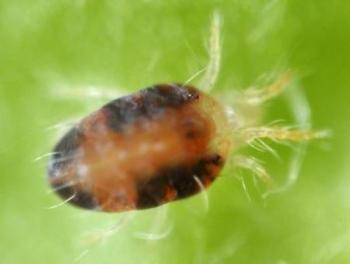
Amblyseius Andersoni is primarily used to prevent a spider mite infestation (especially in houseplants) or as an out of season control rather than as a solution for a bad infestation. It's an excellent product for catching the spider mites as they come out of hibernation in the early spring.
The sachets contain a breeding colony of mites that crawl out slowly over a period of 4-6 weeks stopping an infestation from taking hold. If you already have spider mites in large numbers please use Phytoseiulus first.
These predatory mites are widely used in commercial glasshouses to control unwanted plant pests. Amblyseius Andersoni is used to treat different species of Red Spider Mite (Tetranychus spp. and Panonychus spp.) Fuchsia Gall Mites, Pear Blister Mites, Rust Mites, Boxus Mite and Thrips, it can tolerate a wide range of high and low temperatures 6°C to 40°C, making it a great early season control.

Amblyseius Andersoni is primarily used to prevent and treat Fuchsia Gall Mite. It's an excellent product for catching the mites as they comes out of hibernation in the early spring. DO NOT ORDER THIS PRODUCT IS YOU ALREADY HAVE A GALL MITE INFESTATION, SEE ADVICE BELOW.
The sachets contain a breeding colony of mites that crawl out slowly over a period of 4-6 weeks stopping an infestation from taking hold. If you already have the pest in large numbers please cut the worst of the infestation away before introducing the predators.
These predatory mites are widely used in commercial glasshouses to control unwanted plant pests. Amblyseius Andersoni is used to treat different species of Red Spider Mite (Tetranychus spp. and Panonychus spp.) Fuchsia Gall Mites, Pear Blister Mites, Rust Mites and Thrips, it can tolerate a wide range of high and low temperatures 6°C to 40°C, making it a great early season control.
If you have left it a bit long for the slow release to get on top of the population, if a pest population is already established it will be difficult for Amblyseius species to gain effective control quickly. Species such as Phytoseiulus stand a better chance at bringing about a curative control due to the species ability to move easily across the webbing structure. You can find that product here.


Thrips are one of the most frustrating pests to deal with on houseplants. These tiny insects can cause considerable damage, spreading quickly from plant to plant and often going unnoticed until leaves become silvered, distorted or covered in unsightly marks.
If you've been battling a persistent thrips infestation, repeatedly spraying your plants most likely isn't working. Fortunately, biological pest control offers another approach: using beneficial predatory insects and mites to tackle thrips properly.
To get them under control you need a combination of thorough plant cleaning, ongoing biological protection and blue sticky traps to monitor pest activity.
To really clean up the problem, aingle release of Cucumeris or Orius is recommended, you can find there here.
Step 1: Give your plants a thorough clean
Before introducing beneficial insects, it's important to get your plants as clean as possible.
Thrips can hide in all sorts of places, including:
-
The undersides of leaves.
-
New growth and tightly folded leaves.
-
Leaf joints and stems.
-
Flowers and flower buds.
-
Cracks and crevices around the plant.
Product 1 - Soap
Step 2: Add slow-release sachets for ongoing protection
Once you've done your clean up and maybe made your initial release of beneficial predators, I recommend adding slow-release Amblyseius cucumeris sachets.
Each sachet contains a breeding population of beneficial mites and a food source. The predators emerge gradually over 4-6 weeks.
Product 2 - Sachets
Step 3: Use blue sticky traps to monitor adult thrips
Blue sticky traps are another important part of this approach. Thrips are attracted to blue, and sticky traps provide a useful way to monitor and catch adult thrips.
Product 3 - Blue Sticky Traps
Related blog posts