FUNGUS GNAT/SCIARID FLY CONTROLS
The best combination for getting rid of the gnats is nematodes + yellow sticky traps. See the £15 product bundle below.
Sort by:
7 products
7 products


These mites are one of the most effective controls for sciarid fly larvae.
Mobile predatory mites that feed on sciarid fly larvae and other 'soil' pests including thrips pupae and root mealybug. Adults are reported to live for several months and survive up to 50 days without food, making them ideal in situations of very low pest populations. At night they move a short distance up, on to the plant foliage and will feed on mealybug and other soft bodied prey. Mites are very mobile and soon distribute themselves throughout the crop.
Sold in 2 sizes. Orders placed by 10am Monday will be despatched later in the week.
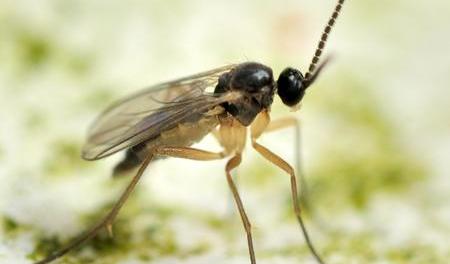
Save your houseplants and seedlings from Sciarid fly/Fungus gnats and larvae damage with our parasitic nematodes.
Biological controls are not always kept in stock, they are ordered in fresh. This can sometimes lead to a time lag between when you place the order and when it is despatched.
The adult fungus gnats/sciarid flies live on and around the compost surface of pots, more commonly indoors rather than outside. The flies themselves are an unsightly nuisance but most of the damage is caused actually by their young. The small white larvae live in the compost and feed on the tender roots of plants and cuttings. They will also come to the surface to feed.
Nematodes are more effective if the sciarid population is high. The nematodes are watered on, and attack the sciarid larvae underground. Parasitic nematodes seek out suitable hosts by swimming in the thin film of water on soil particles, locating hosts by detecting carbon dioxide and other waste products. Once they find a host, they enter the body cavity through the breathing or feeding systems, and release bacteria (Xenorhabdus). The bacteria kills the host within hours, and the nematodes grow and reproduce within the 'broth', which they produce. The next generation of infective juveniles leaves the dead host, and moves in search of fresh hosts.
You can read the instructions for the nematodes HERE.
Combine with yellow sticky traps for better control. A second treatment may be required depending on the level of infestation and the life cycle stage of the pest.
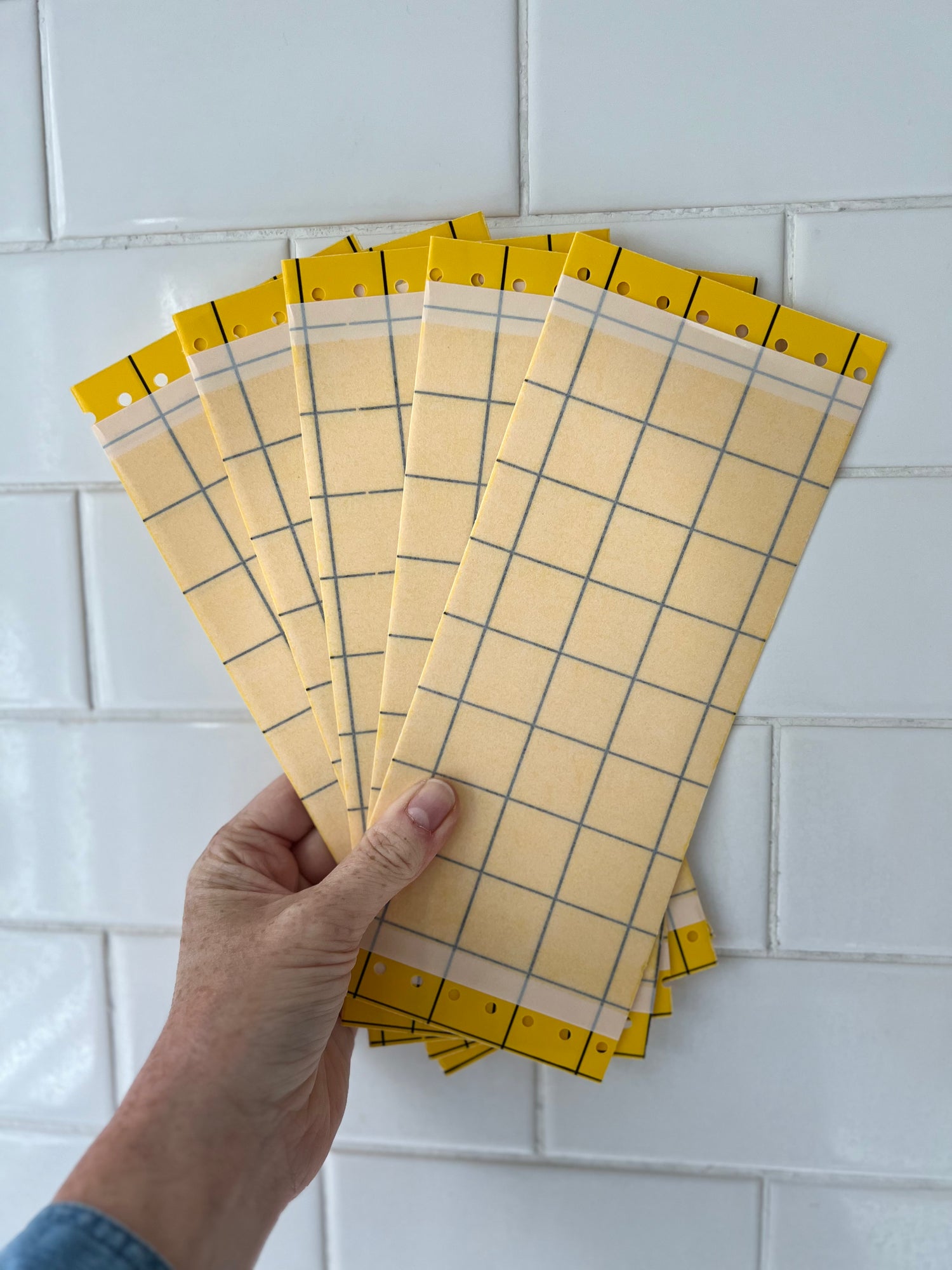
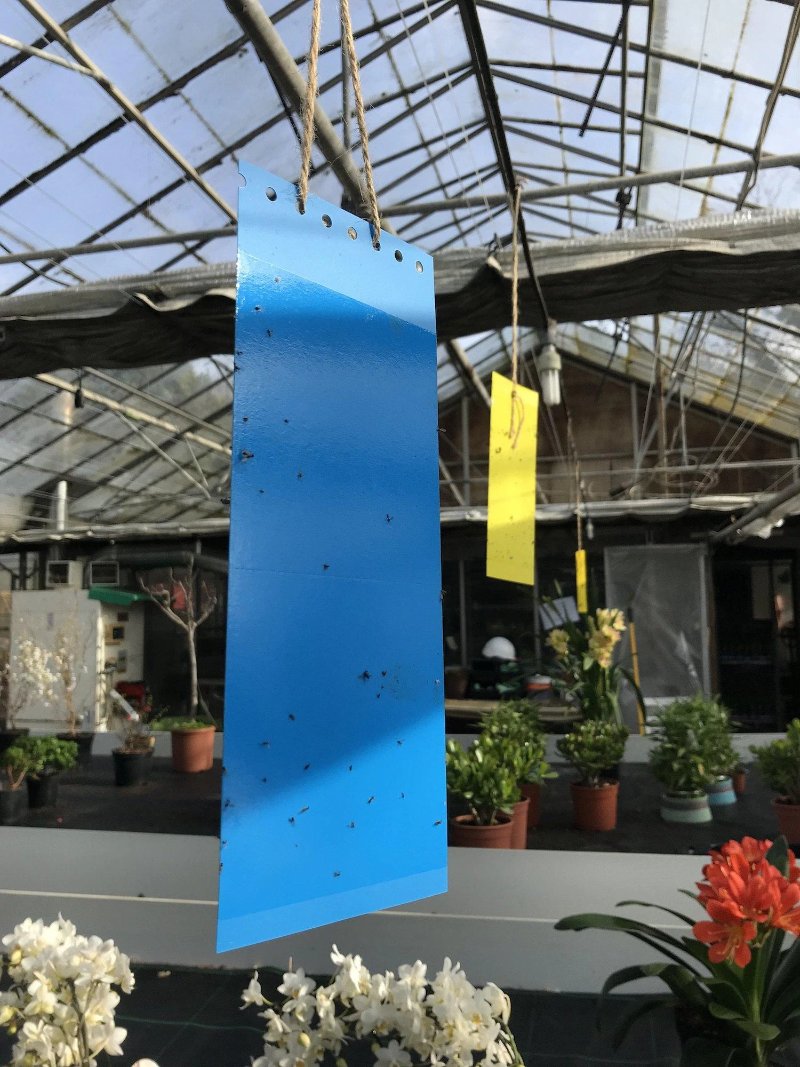

Traps are a great way to find out what pests are present on your plants and can trap a good quantity of flying and crawling pests.
Sold in packs of 5.
Sticky traps are a great way of monitoring and reducing pest numbers.
Yellow catch aphids, whitefly, leafminers, fungus gnats and more. The yellow trap are eco friendly card traps.
Blue traps are great for thrips.
Red traps for monitoring and controlling leafhoppers.
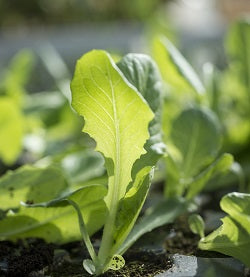
Fruit and Veg Protection Nematodes (Steinernema Feltiae/Carpocapsae mix)
From £9.00
Unit price perFruit and Veg Protection Nematodes (Steinernema Feltiae/Carpocapsae mix)
From £9.00
Unit price perStop pests attacking your fruit and vegetables with nematodes.
These multitarget parasitic nematodes target all a range of pests including; Codling Moth, Shore Fly, Sciarid Fly, Caterpillars, Root Fly, Gooseberry Sawfly, asparagus beetle larvae, wireworm, viburnum beetle larvae and more.
Sold in packs of 1 x 60 sqm, 2 x 60 sqm or 3 x 60 sqm, you can read the instructions for these nematodes HERE.
Biological controls are not always kept in stock, they are ordered in fresh. This can sometimes lead to a time lag between when you place the order and when it is despatched. Order by 10am Monday for same week despatch.
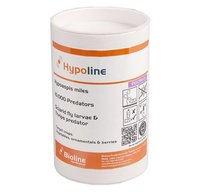
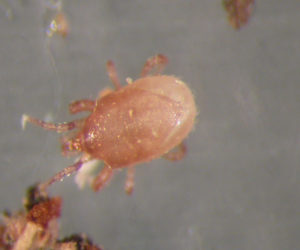
Hypoaspis (also known as Stratiolaelaps scimitus) are mobile predatory mites that feed on sciarid fly larvae and other 'soil' pests including springtails, thrips pupae, root weevils, root aphids and root mealybug. They will also control overwintering spider mites.
The mites are small, barely visible to the naked eye, and have a light brown to tan colour. They are beneficial because they feed on a variety of harmful pests, including fungus gnats, thrips larvae, root aphids, and other small insects and mites that reside in the soil. These predatory mites are particularly effective in controlling pests in the early stages of their life cycle.
When introduced into the soil or growing media of plants, the mites actively search for prey, consuming the pest larvae and eggs, thus helping to reduce their populations and prevent potential damage to crops. They are considered a safe and environmentally friendly alternative to chemical pesticides, making them a valuable tool in integrated pest management strategies.
Sold in 2 sizes, place your order by 10am Monday for delivery later in the week.
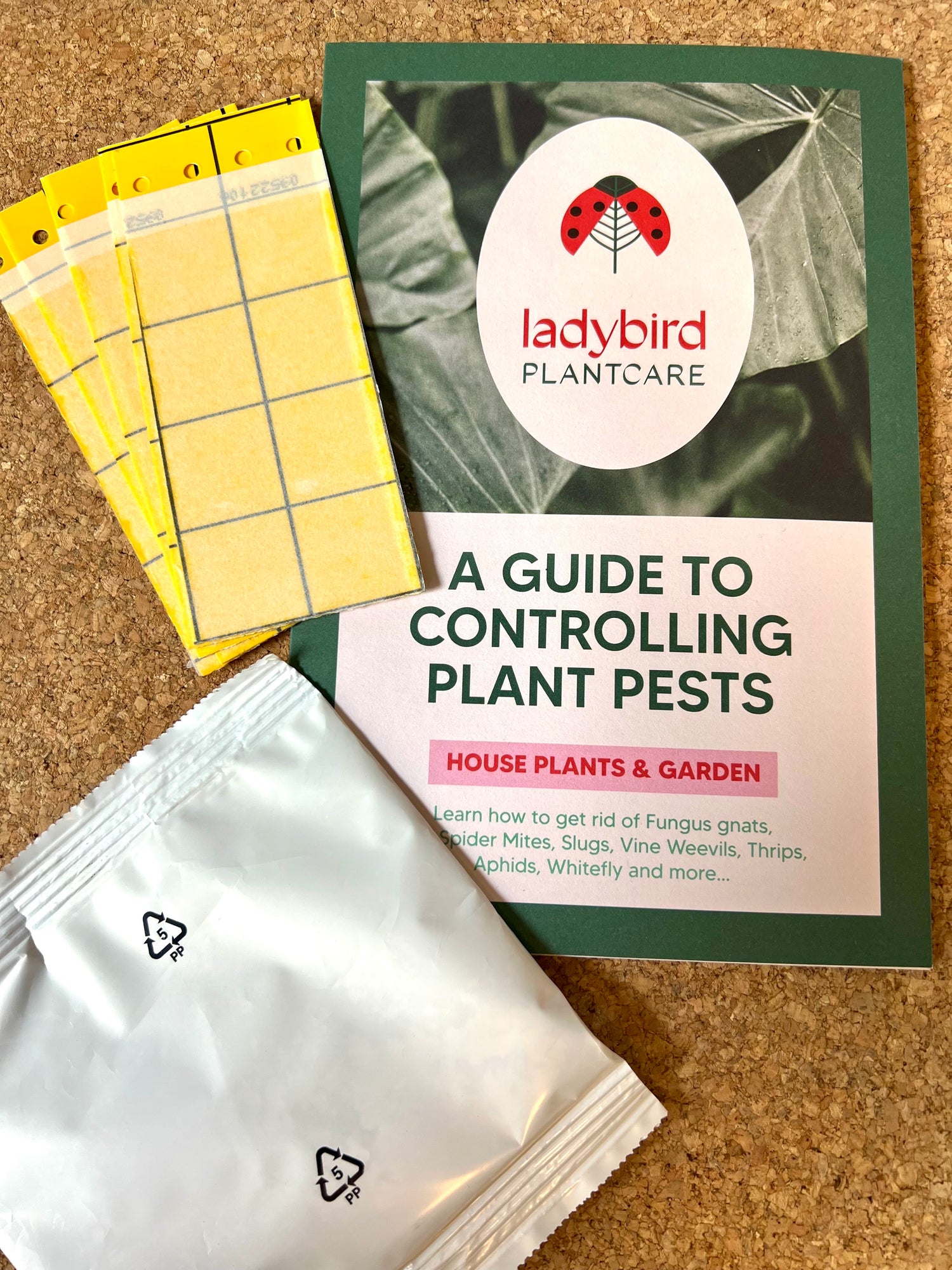
Save your houseplants and seedlings from Sciarid fly/Fungus gnats and larvae damage with our best selling solution. (Steinernema Feltiae/Carpocapsae mix).
The adult sciarid flies live on and around the compost surface of pots, more commonly indoors rather than outside. The flies themselves are an unsightly nuisance but most of the damage is caused actually by their young. The small white larvae live in the compost and feed on the tender roots of plants and cuttings. They will also come to the surface to feed.
You need to control both the adults and the larvae or you will not break the cycle.
For the adults use the new eco yellow sticky traps, you get 5 (12cm x 5cm) traps.
For the larvae nematodes are watered onto deal with the larvae underground. Parasitic nematodes seek out suitable hosts by swimming in the thin film of water on soil particles, locating hosts by detecting carbon dioxide and other waste products.
Once they find a host, they enter the body cavity through the breathing or feeding systems, and release bacteria (Xenorhabdus). The bacteria kills the host within hours, and the nematodes grow and reproduce within the 'broth', which they produce. The next generation of infective juveniles leaves the dead host, and moves in search of fresh hosts. You can read the nematode instructions HERE.
A second treatment of nematodes may be required depending on the level of infestation and the life cycle stage of the pest.
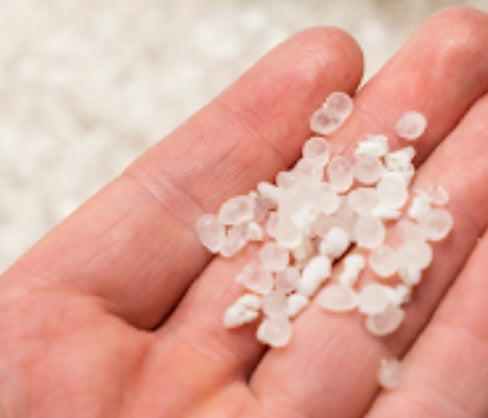
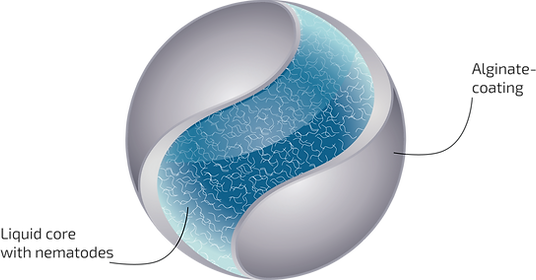
A new pest control solution designed for preventative control of fungus gnat larvae and other soil-dwelling pests. This innovative formulation contains nematodes encapsulated within an organic, biodegradable, residue-free coating that release nematodes gradually into the growing media, providing long-term control.
-
Novel formulation: Encapsulated in pearl-like, biodegradable capsules for controlled release
-
Preventative control: Effective against fungus gnat and thrips larvae and some other soil pests
-
Extended storage life: Maintained for more than 8 weeks.
-
Environmentally friendly: Made from organic, food-grade materials with zero microplastics, meaning it dissolves without residues.
-
Water-efficient: Uses significantly less water than traditional nematode applications
Formulation
Capsule structure: The capsule is made up of a liquid core containing active nematodes which are surrounded by an alginate coating. This shell maintains the internal moisture of the capsule which ensures nematode survivability.
Slow release: The coating gradually becomes permeable after approximately one-week post-application, allowing the nematodes to migrate into the surrounding soil and actively seek out the pests.
Extended action: Slow release of nematode into the soil allows for almost double the duration of control compared to traditional nematode applications.
How to apply
Insert capsules into the compost. You can do this while repotting or planting but you can also apply by poking a hole in the compost.
Rate: One package of 200 capsules is enough for 20 pots with 12cm diameter or 8 pots with 20 cm diameter. The product can be kept in the fridge, check the pack for use by date.
Related blog posts