APHID CONTROLS
Aphids (greenfly/blackfly)
Read more about aphids here
Sort by:
11 products
11 products
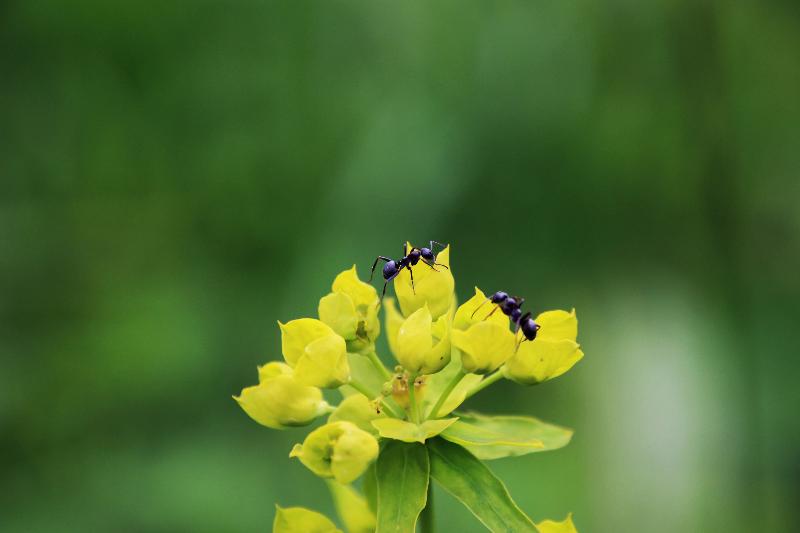
We offer an effective nematode treatment to get rid of ants in your garden.
These nematodes deter ants, driving them out of their nests and making them go elsewhere. Do not purchase until soil temperatures are above 10°C. The species of nematode contained in the pack is steinernema feltiae.
Biological controls are not always kept in stock, they are ordered in fresh. This can sometimes lead to a time lag between when you place the order and when it is despatched. Order by 10am Monday for same week despatch.


Aphid Midge (Aphidoletes aphidimyza) will tackle a wide range of aphid species and are particularly useful for controlling aphids in early and late season.
Biological controls are not always kept in stock, they are ordered in fresh. This can sometimes lead to a time lag between when you place the order and when it is despatched. Order by 10am Monday for same week despatch.
Adults actively hunt for aphid colonies - Once an adult female (around 2mm long) finds a colony she will lay her eggs next to it - The eggs hatch into highly visible orange larvae which feed on the colonies of all types of aphids. Up to 60 different species of aphid. Larvae inject a poison into the aphid to paralyse it and dissolve the body contents.
The larvae take 7-16 days to mature before pupating in soil or compost and adults emerge after 10-14 days. You can read the instructions for this product HERE.
Orders placed by 10am Monday will be despatched later in the week. The smaller size packs, 250 cocoons are only available March - September.


This is our most effective control for aphids in enclosed spaces and greenhouses and is favoured by commercial growers.
Aphidius are the most popular, and least expensive way of controlling common aphids, which is why they are the first choice for the commercial grower. Aphidius colemani tend to tackle the smaller aphids such as Myzus persicae and Aphis gossypii - for larger aphids there are Aphidius ervi.
Sold in tubes of 500. You can read the instructions for this product HERE.


Highly refined soap made from natural oils which acts as a contact insecticide with no residual effects once it has dried.
Sold in 250ml bottles and the Mega 1l. Spray bottle not included.
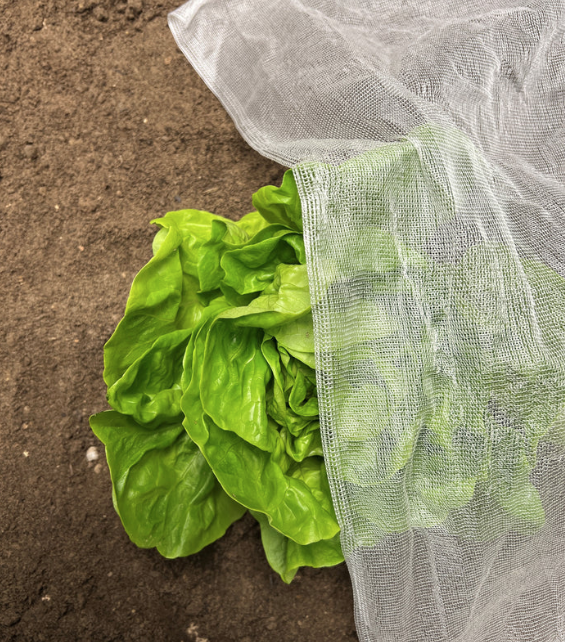
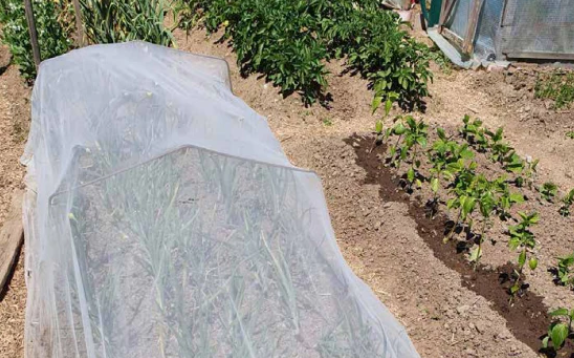
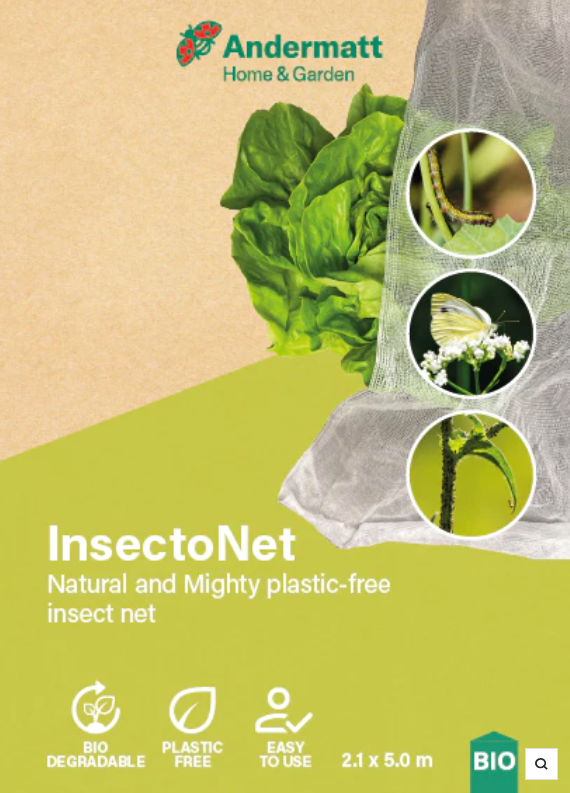
Finally, you can net off your fruits and veg in an eco-friendly way that doesn't generate harmful plastic waste.
Plastic-free, biodegradable insect netting. Made from plants, not petroleum.
Looks like plastic, feels like plastic, but is not plastic.
Protect your fruit and vegetables from common garden pests such as flies, butterflies and birds. The fine mesh ensures protection against even the smaller pests whilst allowing a high amount of light penetration to ensure good growth.
Shipped in recyclable packaging. InsectoNet comes as a single piece of fabric 2.1 by 5.0 metres in size that can easily be cut to size. The high quality fabric means it won't fray on the edges when cut. It lasts at least 3 years.
Use from planting until harvest, approximately April - September.
Do not use during flowering period for plants which require pollination.
Flies, butterflies and moths are often attracted to fruit and vegetable plants to lay eggs which hatch into devastating pests. If adults are kept away from plants, they cannot lay eggs. Using a fine net prevents egg laying and therefore the need to control feeding pests.
The 0.85mm fine mesh provides excellent protection against many pests including;
Cabbage Root Fly
Carrot Root Fly
Onion Fly
Cabbage White Butterfly
Pea Moth
Leek Moth
Cutworm
Thrips
Whitefly
Leaf Miners
Many common aphid species
Finally, you can effectively net your fruit and vegetables without plastic! Biodegradable, this netting is revolutionary. It looks and feels just like a plastic net, but is made from plants.
And as an added bonus you can use it as a plastic free frost fleece! It will protect from a light frost down to 2°C
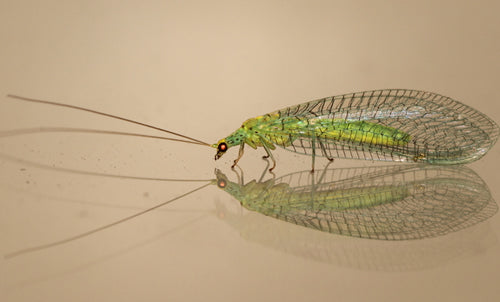
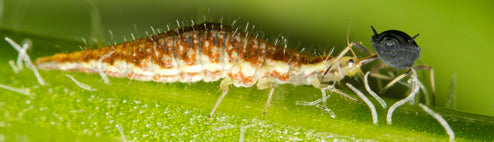
Lacewings are best known as a predator of aphids, and fully deserve the nickname "aphid lion" as a single insect can consume 100-600 aphids in its lifetime.
You can read the instructions for this product HERE.
Sold in 500s or 1000s. Orders placed by 10am Monday will be despatched later in the week.
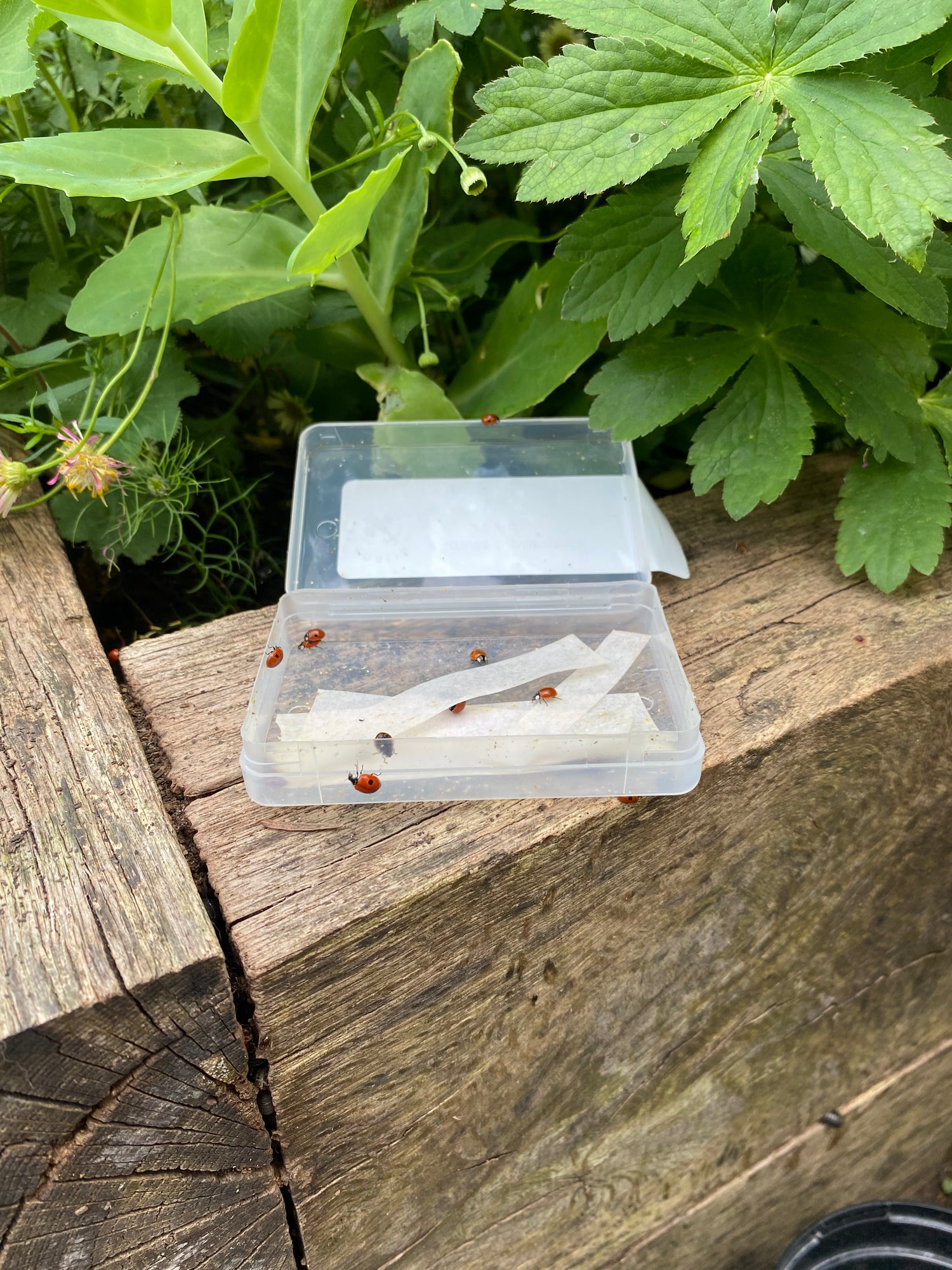
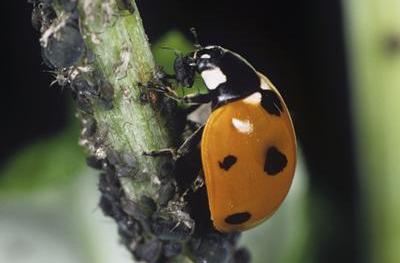
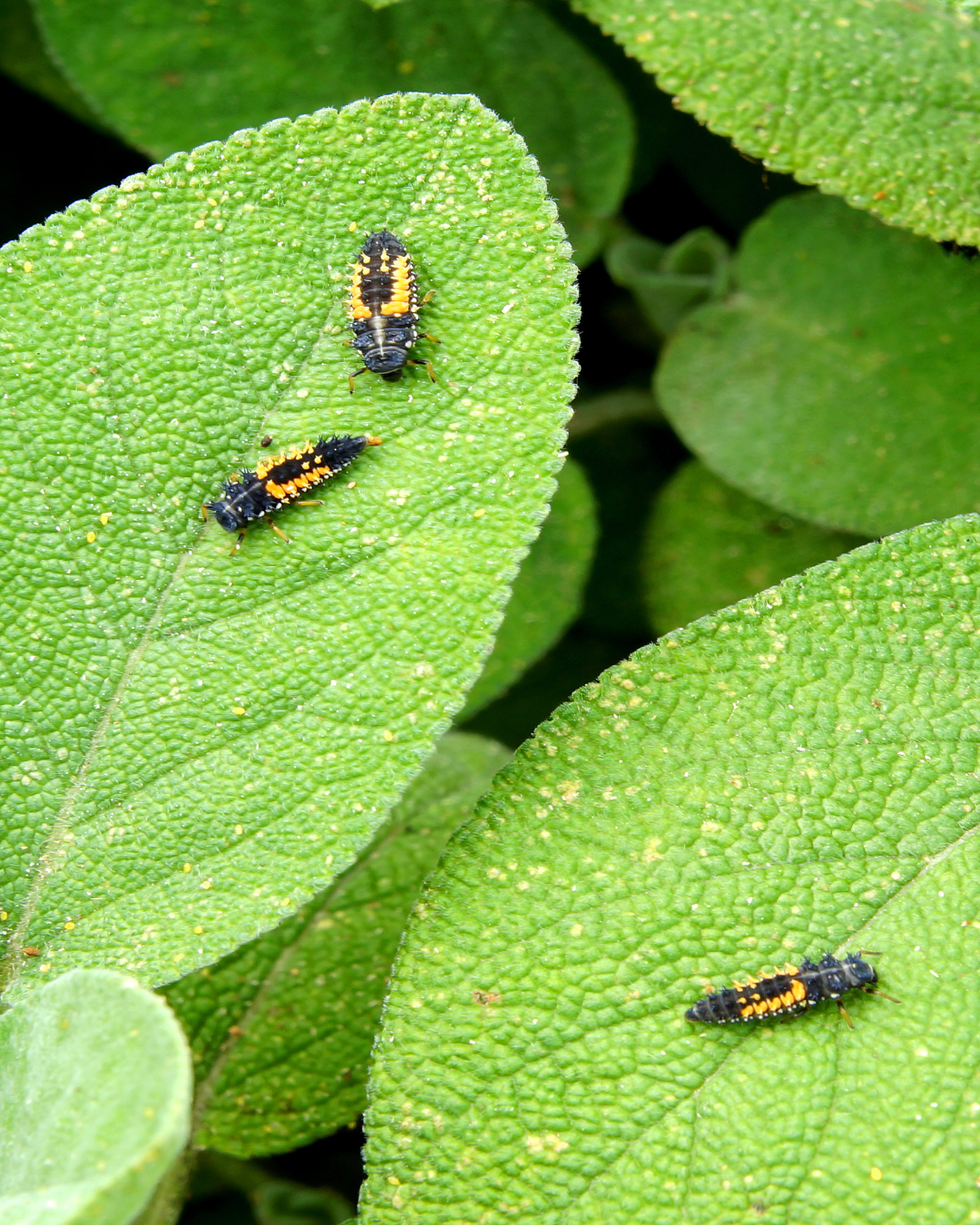
Some variants are only available from March. A great alternative to ladybird larvae are aphid midge, or for larger areas lacewing larvae, both of these can be found here.
Both Ladybird adults and their Ladybird larvae are voracious eaters and can make a real difference to aphid (greenfly and blackfly) infestations both under glass and outside.
The ladybirds we supply are Adalia Bipunctata - the red two-spotted ladybird. They are one of many native species in the UK. Ladybirds are one of the most popular controls for aphids but they do not prey on other insects so will not help with pests such as thrips and spider mite. You can read instructions on how to release ladybirds for aphid control HERE.
The larvae are a more reliable predator as they cannot fly away.
If you have a large area to treat or have aphids in multiple areas of your home or garden then Lacewing larvae may be more suitable.
Some pack sizes are only available March to September.
Orders placed by 10am Monday will be despatched later in the week.
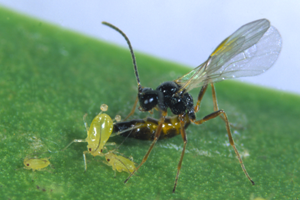
A potent mix containing 2 parasites (Aphidius colemani and Aphidius ervi) in one pack providing multiple control of all important aphids.
Orders placed by 10am Monday will be despatched later in the week. You can read the instructions for this product HERE.
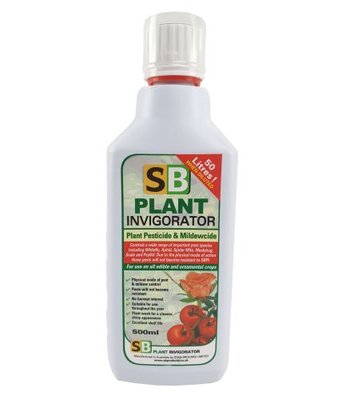
This is a great product for protecting your plants from a range of bugs and pests.
This is effectively an environmentally friendly pesticide made from natural ingredients which is totally biodegradable. It has a three-way benefits. It controls mildew and other fungal infections. It acts as a foliar feed to strengthen plant growth. It attacks a wide variety of insects on contact, simply by gumming up their wings and breathing tubes.
The 250ml bottle goes a long way - it will dilute 10 to 1 to make up 25 litres of solution.
Use SBI to control and reduce delicate sap-feeding pests including:
Aphid (multiple species), whitefly, spider mite, mealybugs, hard scale, soft scale, bay sucker psyllids, and powdery mildew. To gain control you will need to use it every other day for a week or so.
Once pest numbers are under control, try to use it almost every other week and wet the plant thoroughly including the undersides of leaves where the aphids and crawlers like to lurk. Repeat applications are necessary because it works by "suffocating" the smaller insects and there will always be the danger of more hatching out or flying in to replace them. You can even "dunk" small plants upside-down in SBI if the aphids are hiding in the flower buds.
SB Plant Invigorator is:
• A unique blend of plant safe, physical pest control surfactants
• A physical mode of action to control pests and powdery mildew
• Suitable for use on edible and ornamental crops
• Has no harvest interval meaning you do not need to wait before eating your edibles.
• Suitable for use throughout the year
• Will not harm beneficial insects when used at the recommended rates
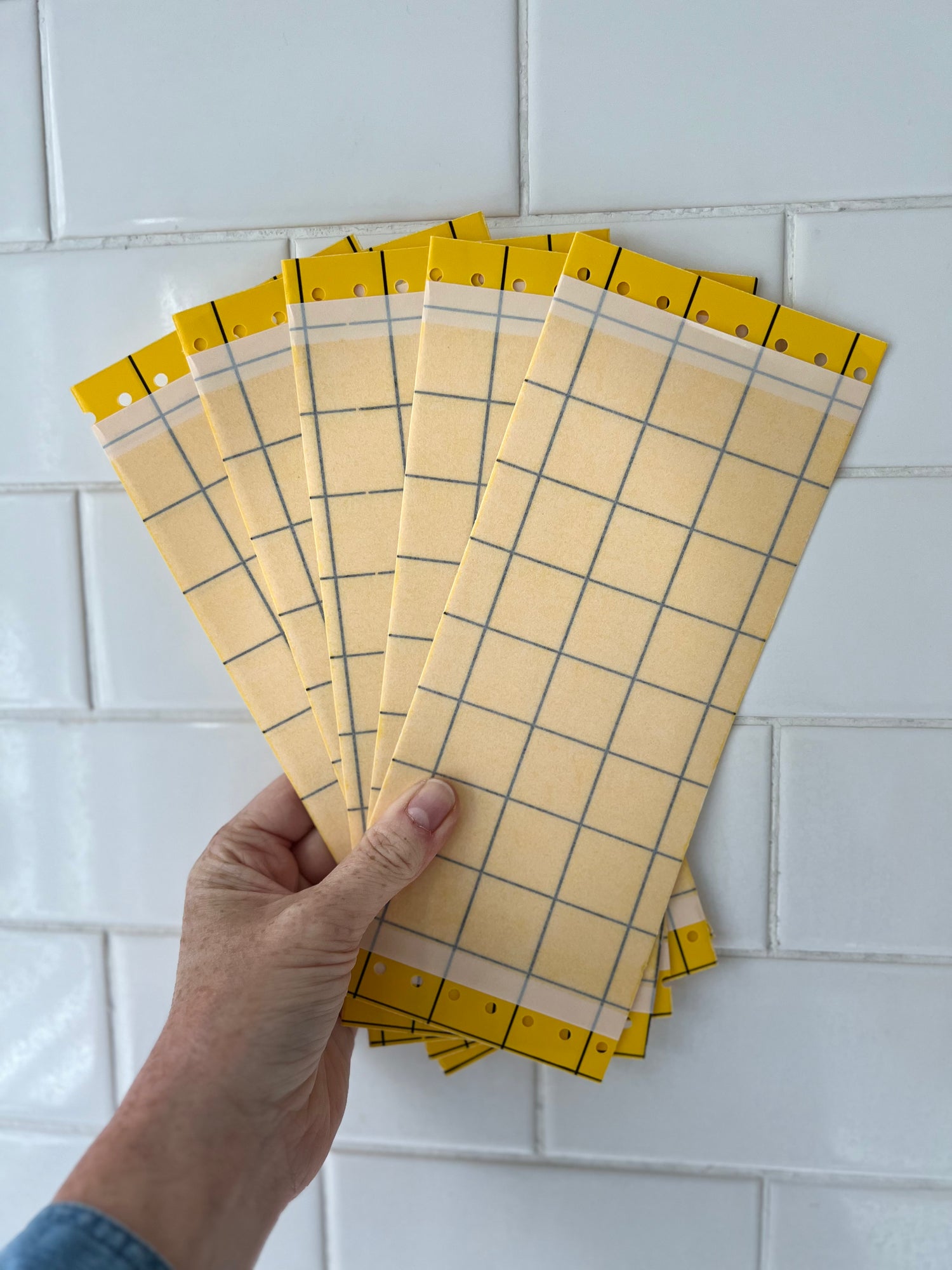
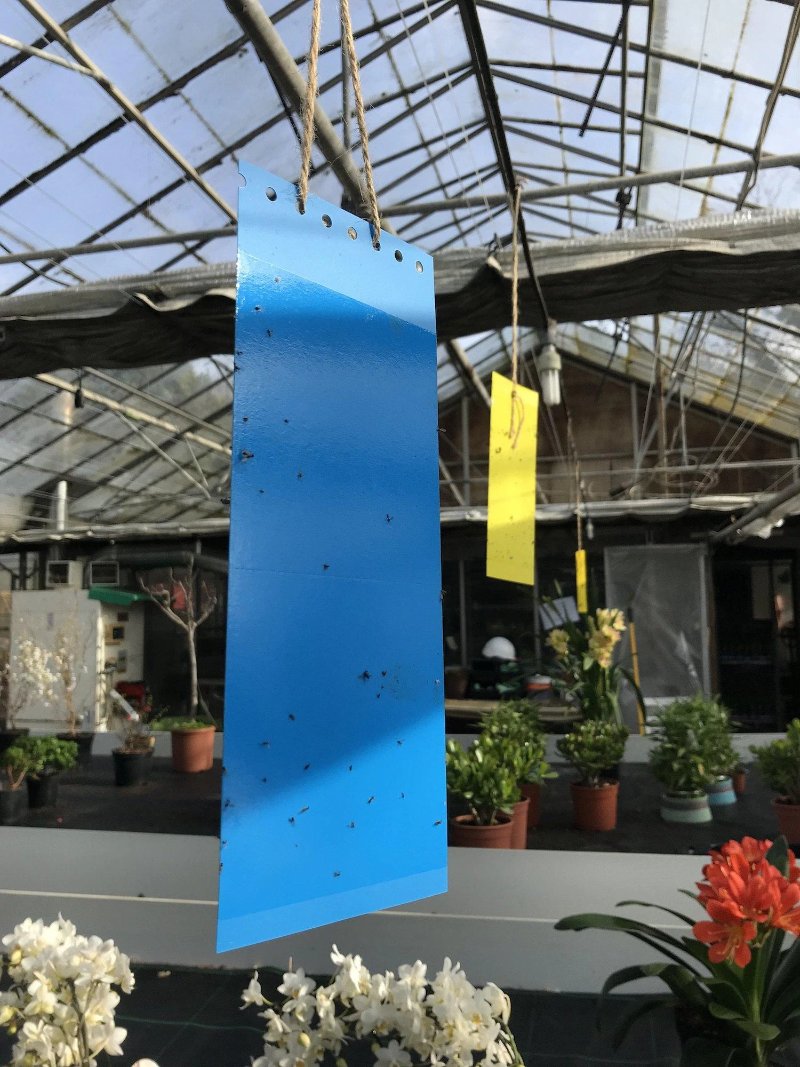

Traps are a great way to find out what pests are present on your plants and can trap a good quantity of flying and crawling pests.
Sold in packs of 5.
Sticky traps are a great way of monitoring and reducing pest numbers.
Yellow catch aphids, whitefly, leafminers, fungus gnats and more. The yellow trap are eco friendly card traps.
Blue traps are great for thrips.
Red traps for monitoring and controlling leafhoppers.
Related blog posts