SPIDER MITE CONTROLS
What are Red Spider Mite? These tiny, highly destructive pests are common in glasshouses and on house plants and can also be found on outdoor plants during the warmer summer months. In the glasshouse look out for them on citrus, tomatoes, cucumbers, melons, vines, carnations and chrysanthemums. Outdoors, you may find them on day lilies, gladioli, conifers and many tender plants. Read More
Sort by:
7 products
7 products
Phytoseiulus is the number one method for controlling glasshouse red spider mite, and is widely used by both amateur gardeners and commercial growers.
This species is a highly active hunter and has become a standard spider mite treatment in many crops. It develops twice as fast as the spider mite at humidity levels that are above 60% (unfavourable to spider mites, favourable to Phytoseiulus), which allows a rapid control of outbreaks.
A female Phytoseiulus can destroy ten spider mite females and their young in just seven days under optimum conditions. The tube holds living predator mites hidden in a bran carrier. You may not be able to see anything but the carrier as the mites are very hard to see with the naked eye. The tubes contain approximately 2,000 mites.
Orders placed by 10am Monday will be despatched later in the week.
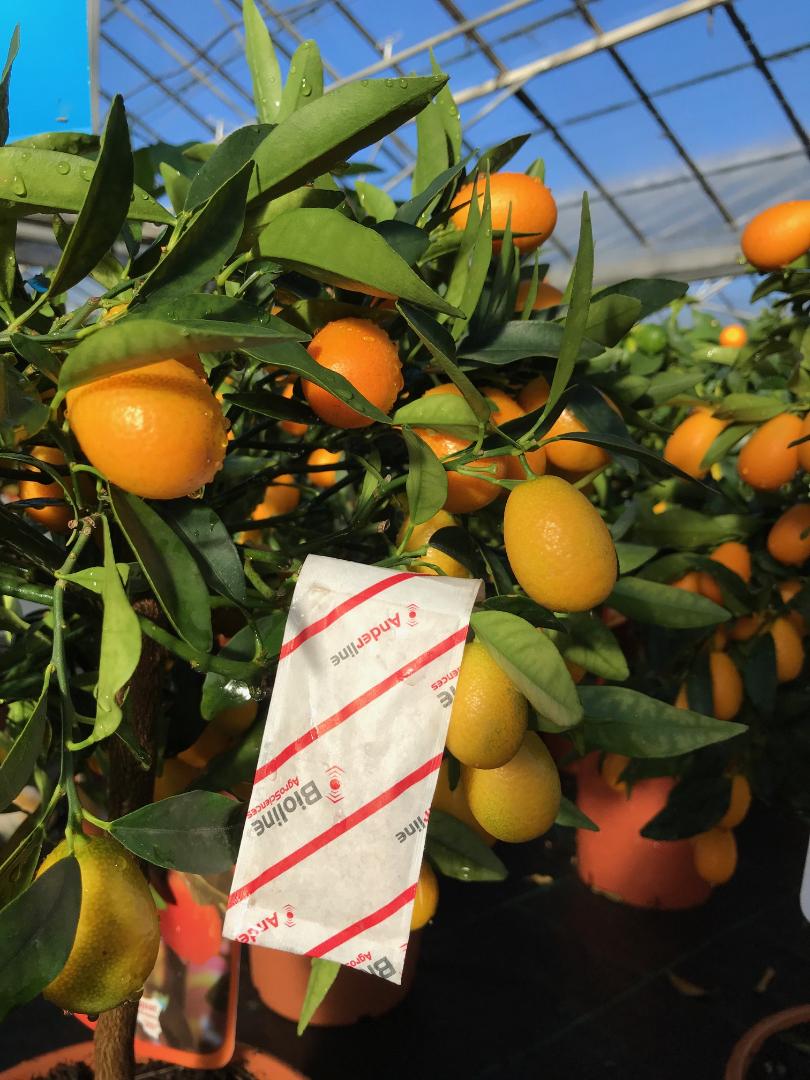

Amblyseius Andersoni is primarily used to prevent a spider mite infestation (especially in houseplants) or as an out of season control rather than as a solution for a bad infestation. It's an excellent product for catching the spider mites as they come out of hibernation in the early spring.
The sachets contain a breeding colony of mites that crawl out slowly over a period of 4-6 weeks stopping an infestation from taking hold. If you already have spider mites in large numbers please use Phytoseiulus first.
These predatory mites are widely used in commercial glasshouses to control unwanted plant pests. Amblyseius Andersoni is used to treat different species of Red Spider Mite (Tetranychus spp. and Panonychus spp.) Fuchsia Gall Mites, Pear Blister Mites, Rust Mites, Boxus Mite and Thrips, it can tolerate a wide range of high and low temperatures 6°C to 40°C, making it a great early season control.
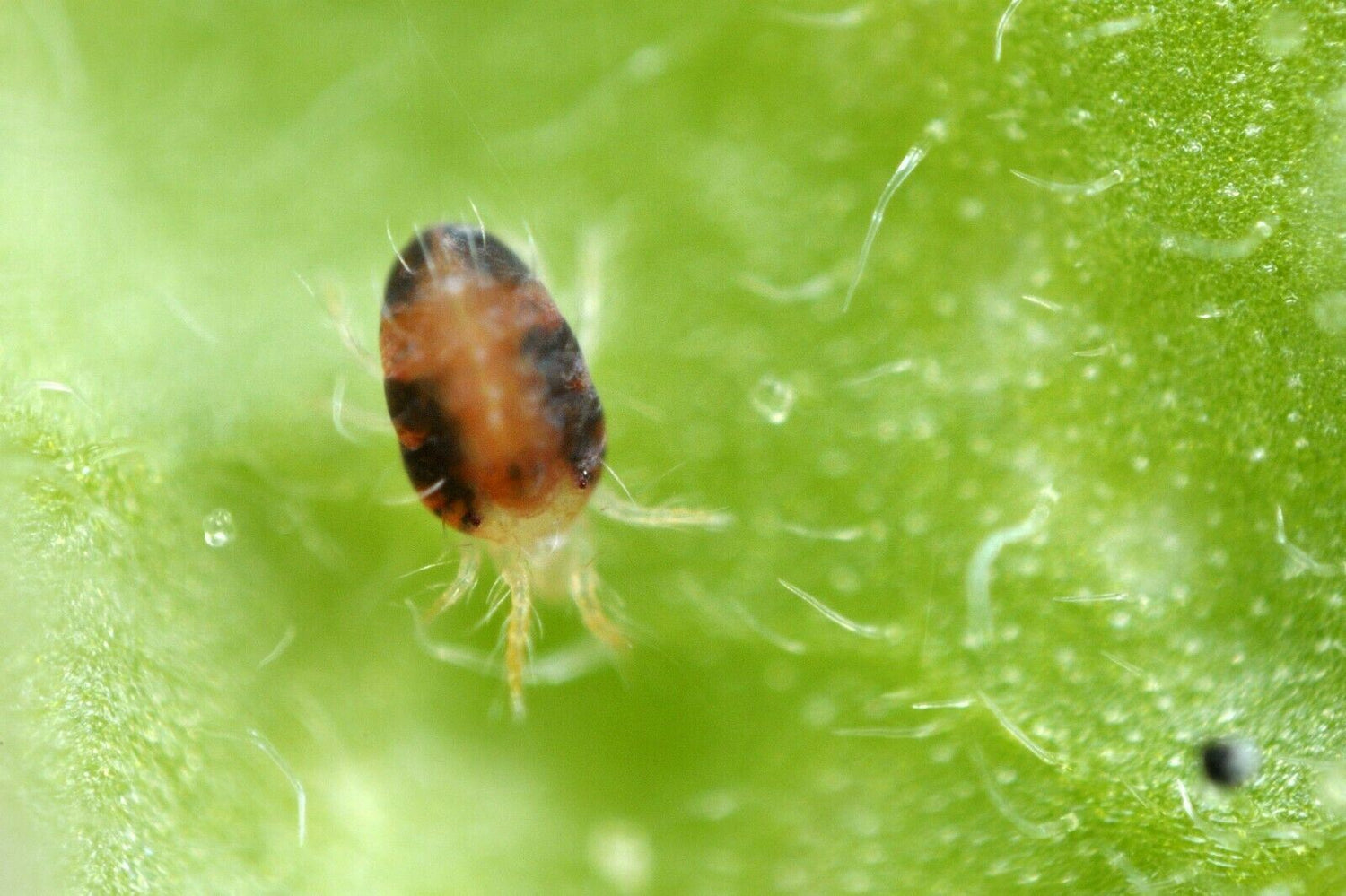

Predatory mite for the treatment of Red Spider Mite
Bulk tubes provide an immediate dose of mites, offering immediate protection to your plants. Available as loose material in cardboard tubes containing 25,000 mites, this will provide one application. If you are looking for a longer term solution then the slow release sachets are a great product.
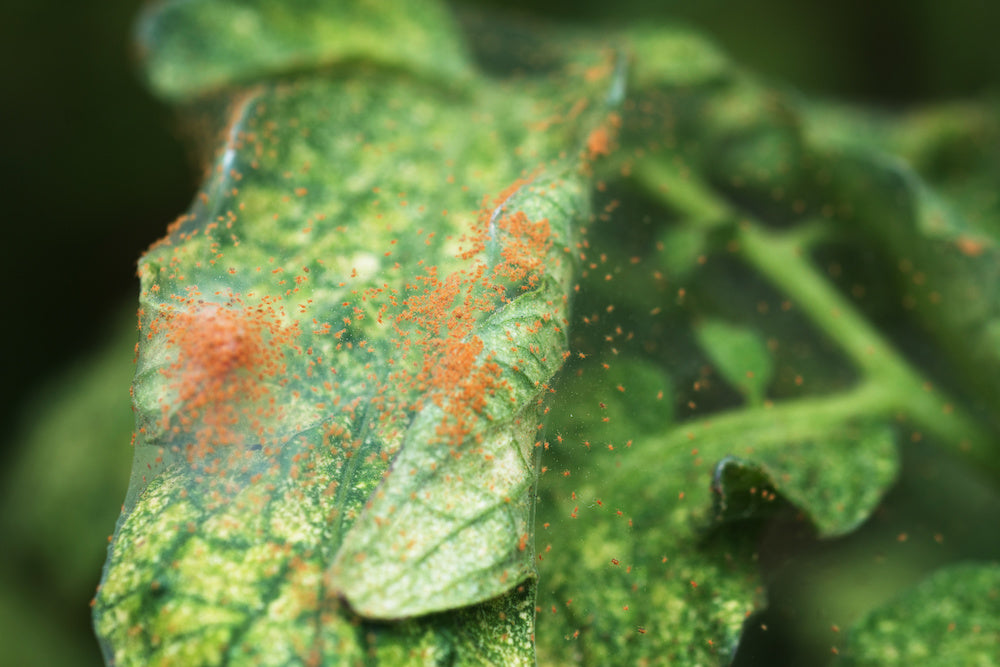
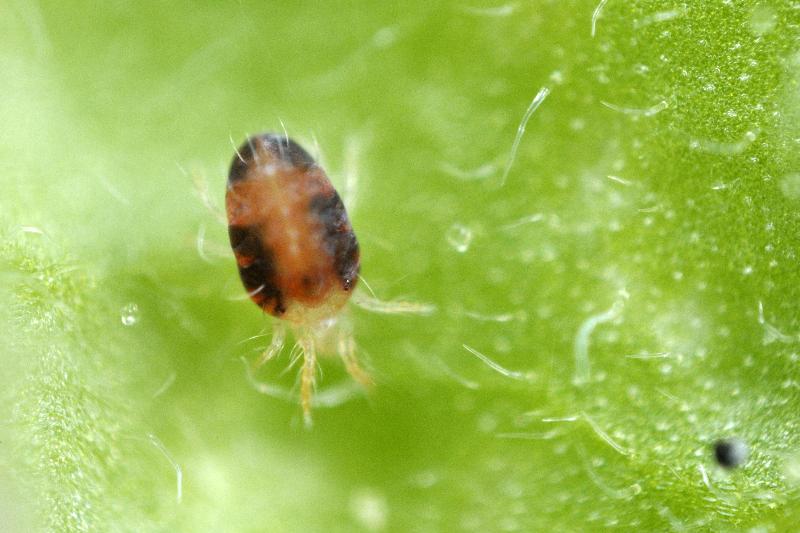
Spider Mites are less than 1mm in size and difficult to see without a lens or microscope unless you have very sharp eyes. They often live underneath leaves, and are only active when it is warm. In winter they hibernate either as eggs, or inactive newborns which you can often spot as tiny red or orange shiny dots.
These tiny, highly destructive pests are common in greenhouses and on house plants and can also be found on outdoor plants during the warmer summer months. In the greenhouse look out for them on citrus, tomatoes, cucumbers, melons, vines, carnations and chrysanthemums. Outdoors, you may find them on daylilies, gladioli, conifers and many tender plants.
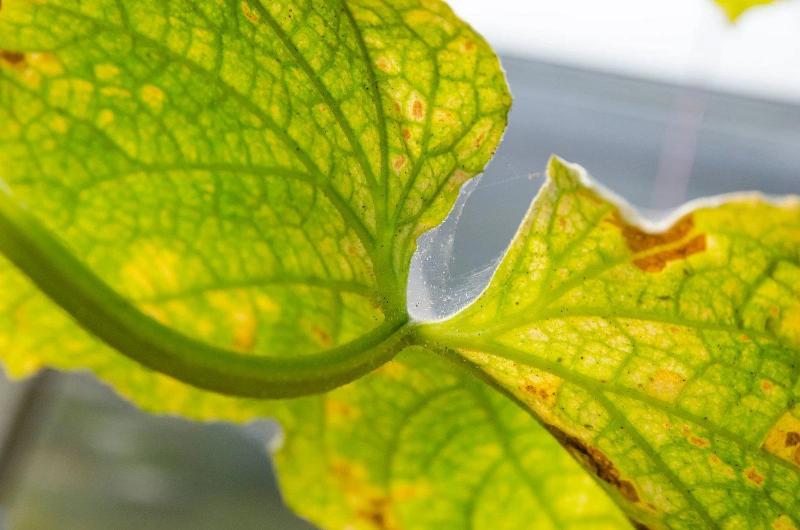
Spider mites can be spotted more easily by looking for the damage than looking for the culprits. They pierce the leaf cells with their mouthparts and suck the plant juices resulting in discolouration of the leaves and sickly looking growth, and in worst cases the death of the plant. The leaf damage initially results in a fine speckling effect on leaves where the cells have died. The pattern of the mottling varies from plant to plant, so on strawberries you will see brown spots on the underside, and in citrus these develop into yellow patches throughout the leaf. On some plants with tougher leaves the spider mite eats young growth and flower buds and may be even more difficult to spot.
In the early summer it is a good idea to inspect vulnerable plants every week and deal with the first signs of mite infestation immediately. Where possible, remove infested leaves, buds and stems because this will initially reduce numbers. If there is any part of the plant which is covered in cobwebs then regrettably it will need to be sacrificed as it will not recover. Spider mites prefer dry environments, so spraying the infested areas of a plant with water and damping the greenhouse floor areas will raise the humidity and hopefully slow the infestation rate.
When the infestation becomes advanced, fine webbing appears on new growth. Spider mites are arachnids (spiders) and can spin very extensive fine webs. The webbing acts to shield the colony like a blanket, and it also provides a series of ladders or netting which allow the mites to crawl from stem to stem. Where webbing is widespread the leaves will typically turn brown and drop off because of the extent of the cell damage.
For serious infestations we suggest Phytoseiulus.


Highly refined soap made from natural oils which acts as a contact insecticide with no residual effects once it has dried.
Sold in 250ml bottles and the Mega 1l. Spray bottle not included.
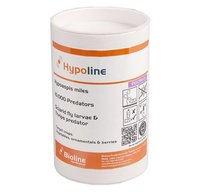
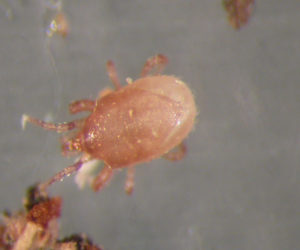
Hypoaspis (also known as Stratiolaelaps scimitus) are mobile predatory mites that feed on sciarid fly larvae and other 'soil' pests including springtails, thrips pupae, root weevils, root aphids and root mealybug. They will also control overwintering spider mites.
The mites are small, barely visible to the naked eye, and have a light brown to tan colour. They are beneficial because they feed on a variety of harmful pests, including fungus gnats, thrips larvae, root aphids, and other small insects and mites that reside in the soil. These predatory mites are particularly effective in controlling pests in the early stages of their life cycle.
When introduced into the soil or growing media of plants, the mites actively search for prey, consuming the pest larvae and eggs, thus helping to reduce their populations and prevent potential damage to crops. They are considered a safe and environmentally friendly alternative to chemical pesticides, making them a valuable tool in integrated pest management strategies.
Sold in 2 sizes, place your order by 10am Monday for delivery later in the week.
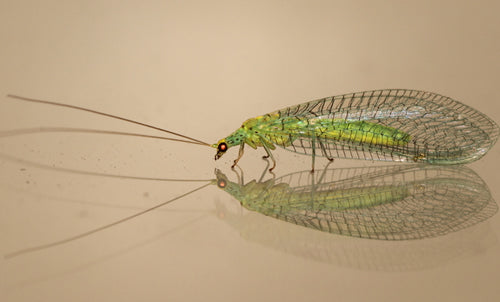
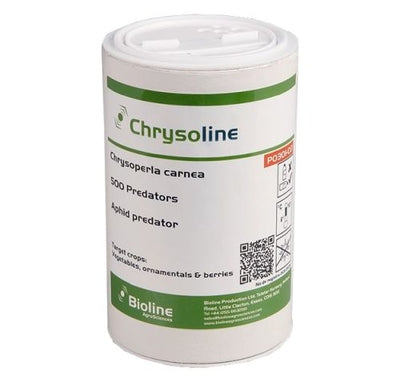
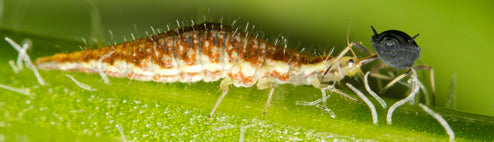
Lacewings are best known as a predator of aphids, and fully deserve the nickname "aphid lion" as a single insect can consume 100-600 aphids in its lifetime.
You can read the instructions for this product HERE.
Sold in 500s or 1000s. Orders placed by 10am Monday will be despatched later in the week.
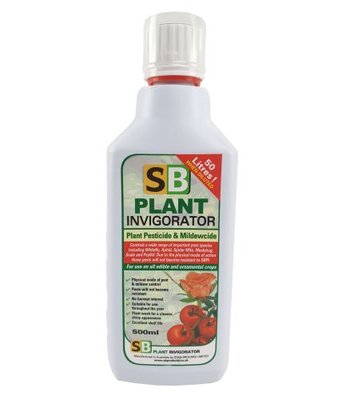
This is a great product for protecting your plants from a range of bugs and pests.
This is effectively an environmentally friendly pesticide made from natural ingredients which is totally biodegradable. It has a three-way benefits. It controls mildew and other fungal infections. It acts as a foliar feed to strengthen plant growth. It attacks a wide variety of insects on contact, simply by gumming up their wings and breathing tubes.
The 250ml bottle goes a long way - it will dilute 10 to 1 to make up 25 litres of solution.
Use SBI to control and reduce delicate sap-feeding pests including:
Aphid (multiple species), whitefly, spider mite, mealybugs, hard scale, soft scale, bay sucker psyllids, and powdery mildew. To gain control you will need to use it every other day for a week or so.
Once pest numbers are under control, try to use it almost every other week and wet the plant thoroughly including the undersides of leaves where the aphids and crawlers like to lurk. Repeat applications are necessary because it works by "suffocating" the smaller insects and there will always be the danger of more hatching out or flying in to replace them. You can even "dunk" small plants upside-down in SBI if the aphids are hiding in the flower buds.
SB Plant Invigorator is:
• A unique blend of plant safe, physical pest control surfactants
• A physical mode of action to control pests and powdery mildew
• Suitable for use on edible and ornamental crops
• Has no harvest interval meaning you do not need to wait before eating your edibles.
• Suitable for use throughout the year
• Will not harm beneficial insects when used at the recommended rates
Related blog posts